
Dark Gray House With a Weathered Wood Roof: 7 Real Examples 2026
A dark-gray house with a weathered-wood roof introduces soft, multi-tone warmth into an otherwise cool, dark palette. The tobacco and dark-brown granule accents in weathered-wood shingles contrast the cool siding without going as sharp as black or as flat as charcoal.
The result feels handcrafted and deliberate - a dark exterior that reads as textured rather than heavy. Traditional, craftsman, and Adirondack-style homes carry this combination naturally. White trim or natural-wood fascia prevents the roofline from reading too dark.
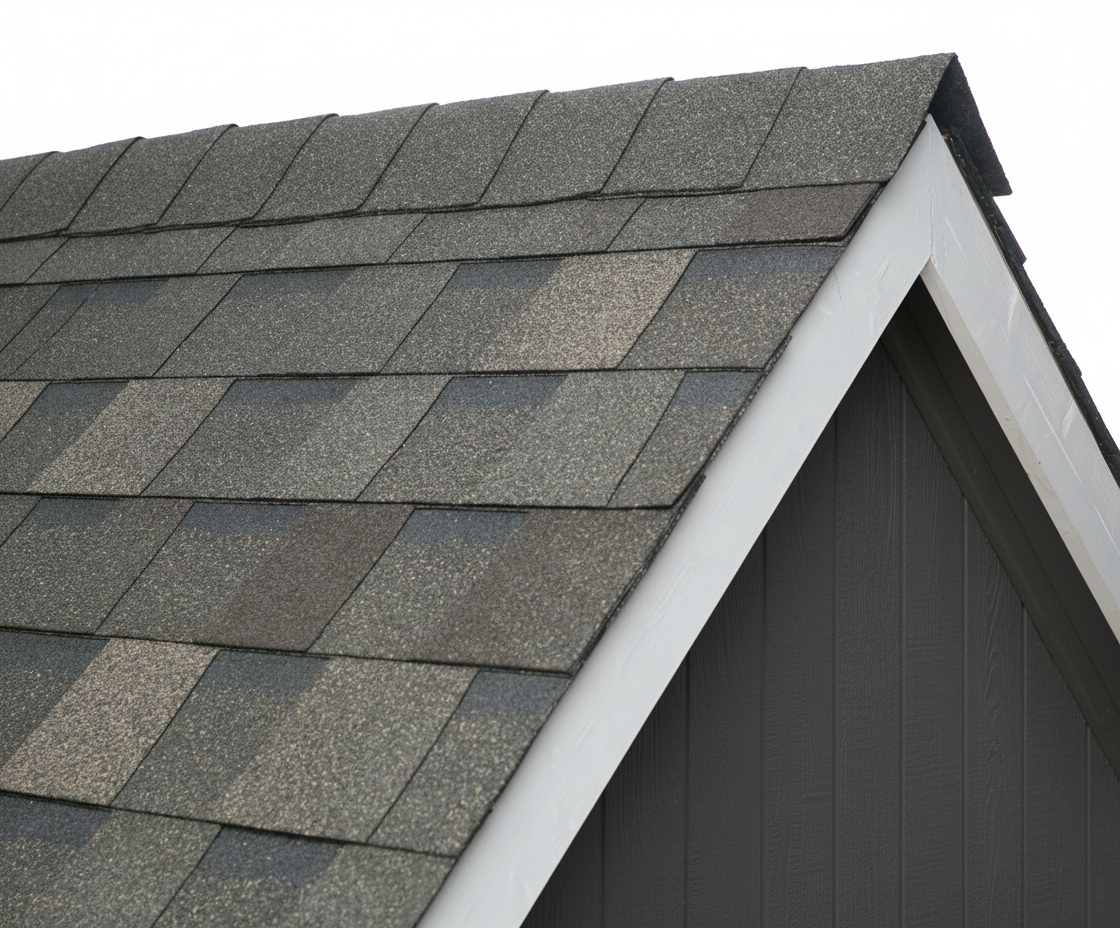
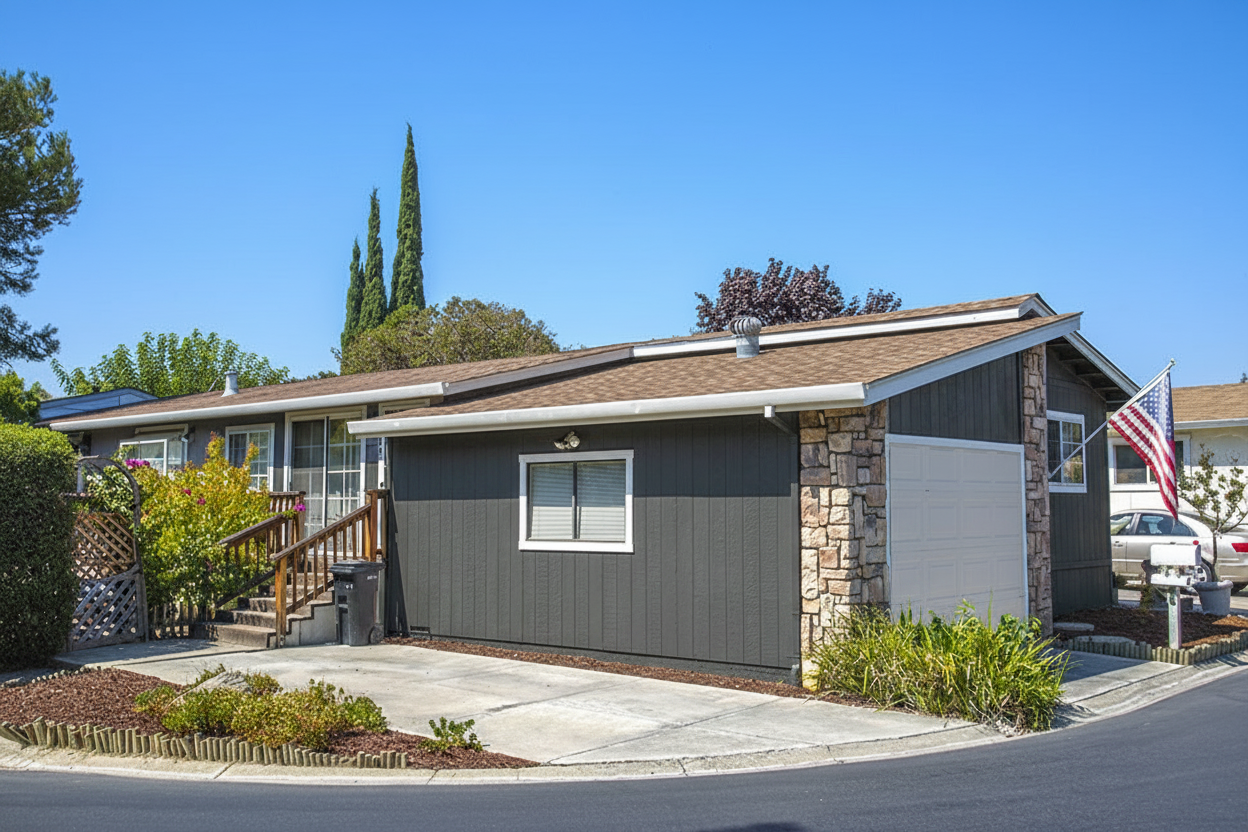
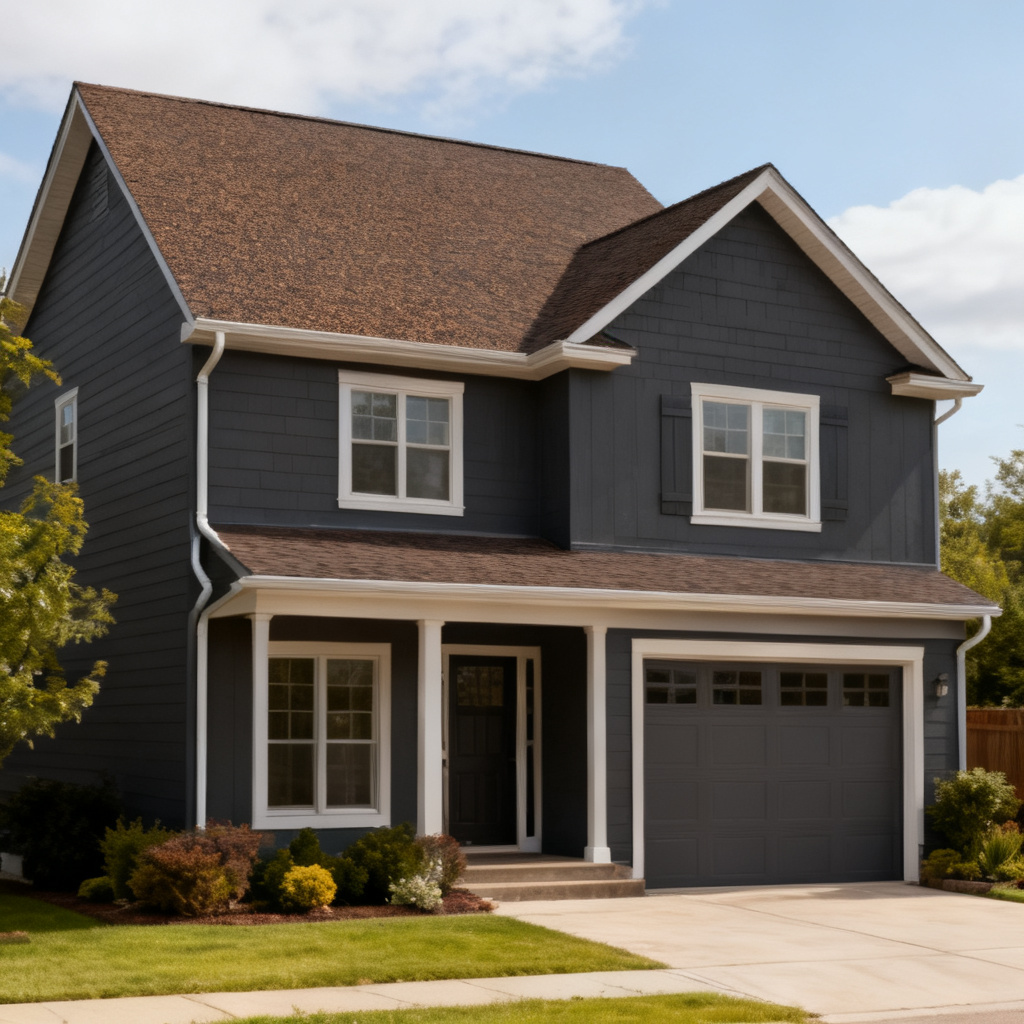
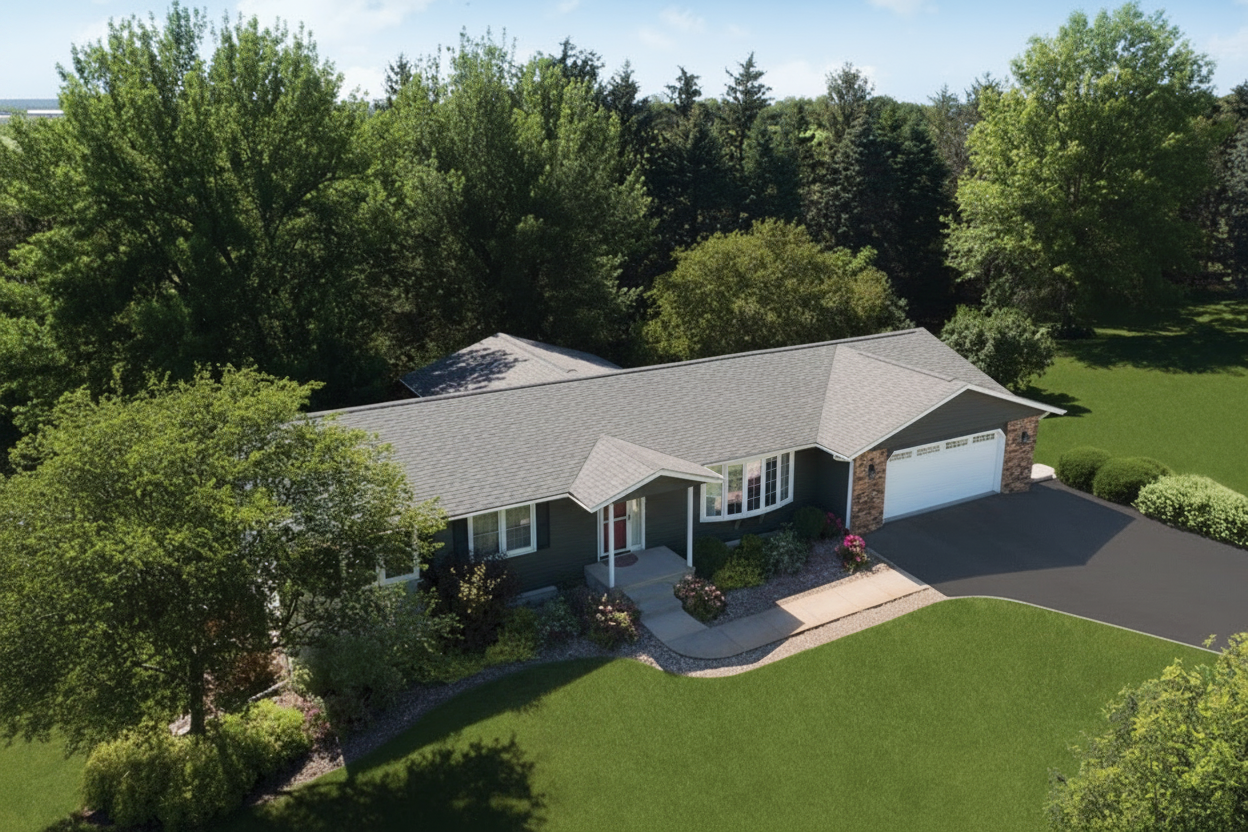
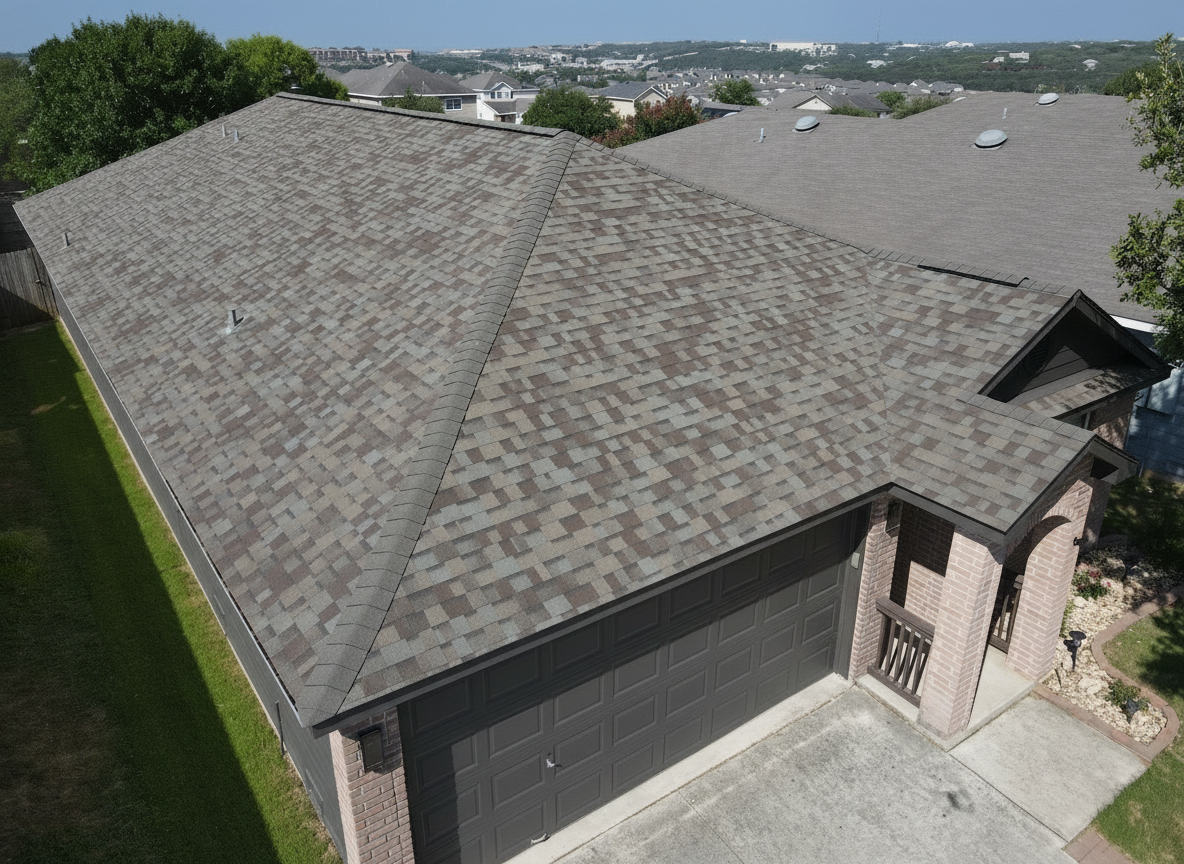
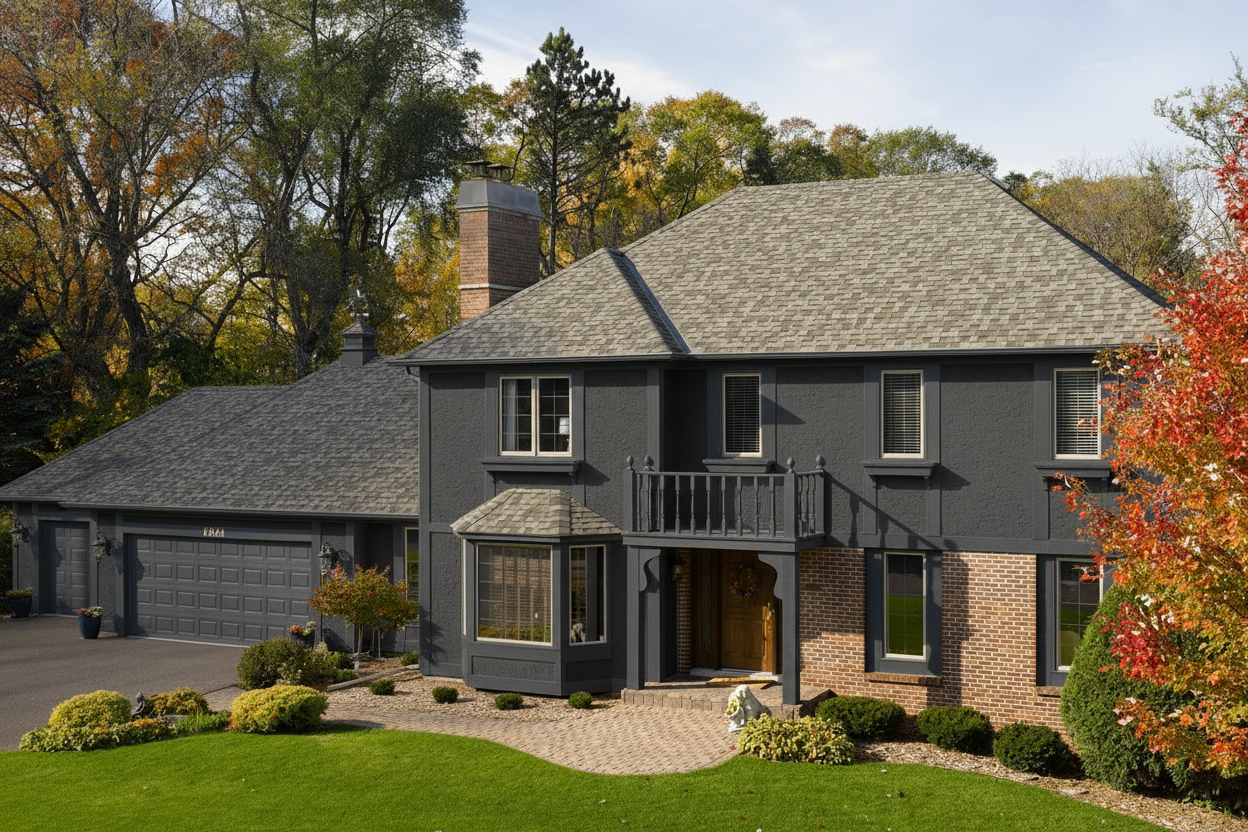
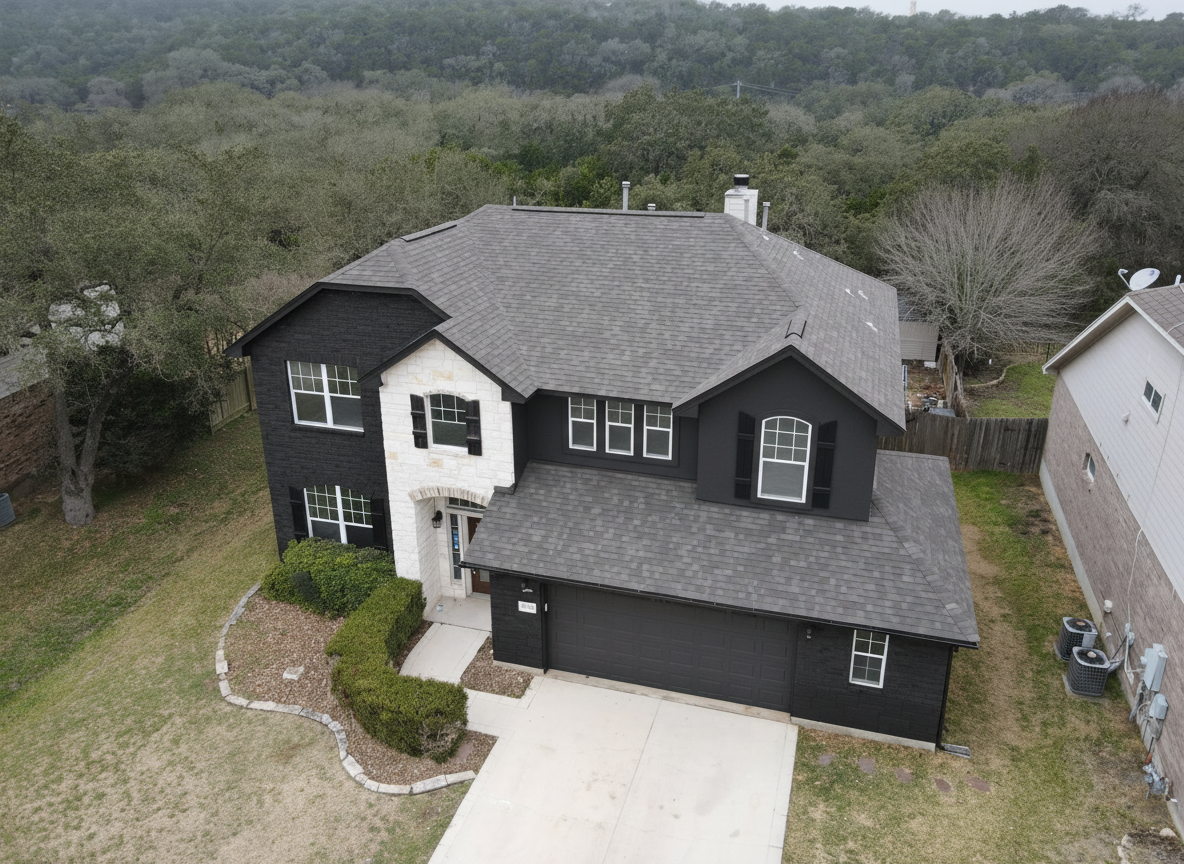
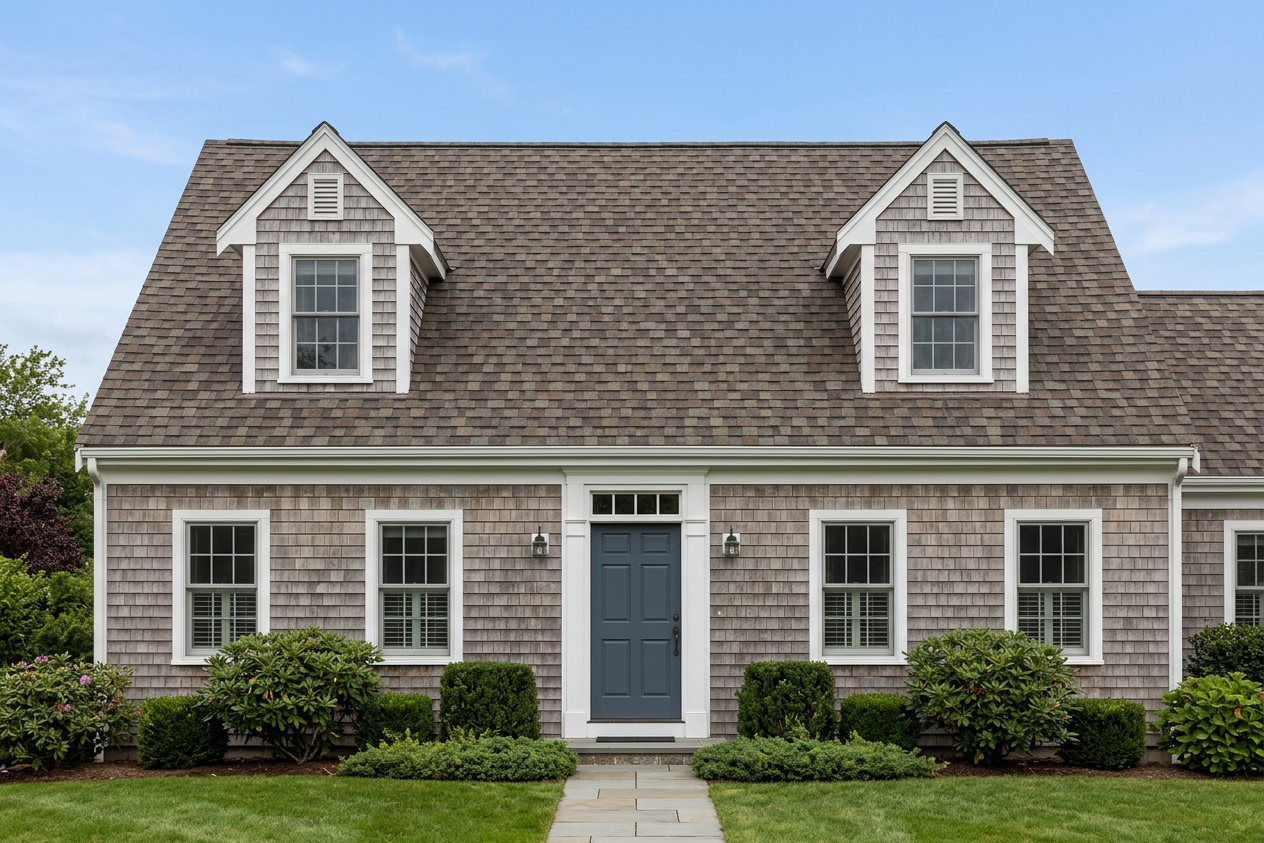
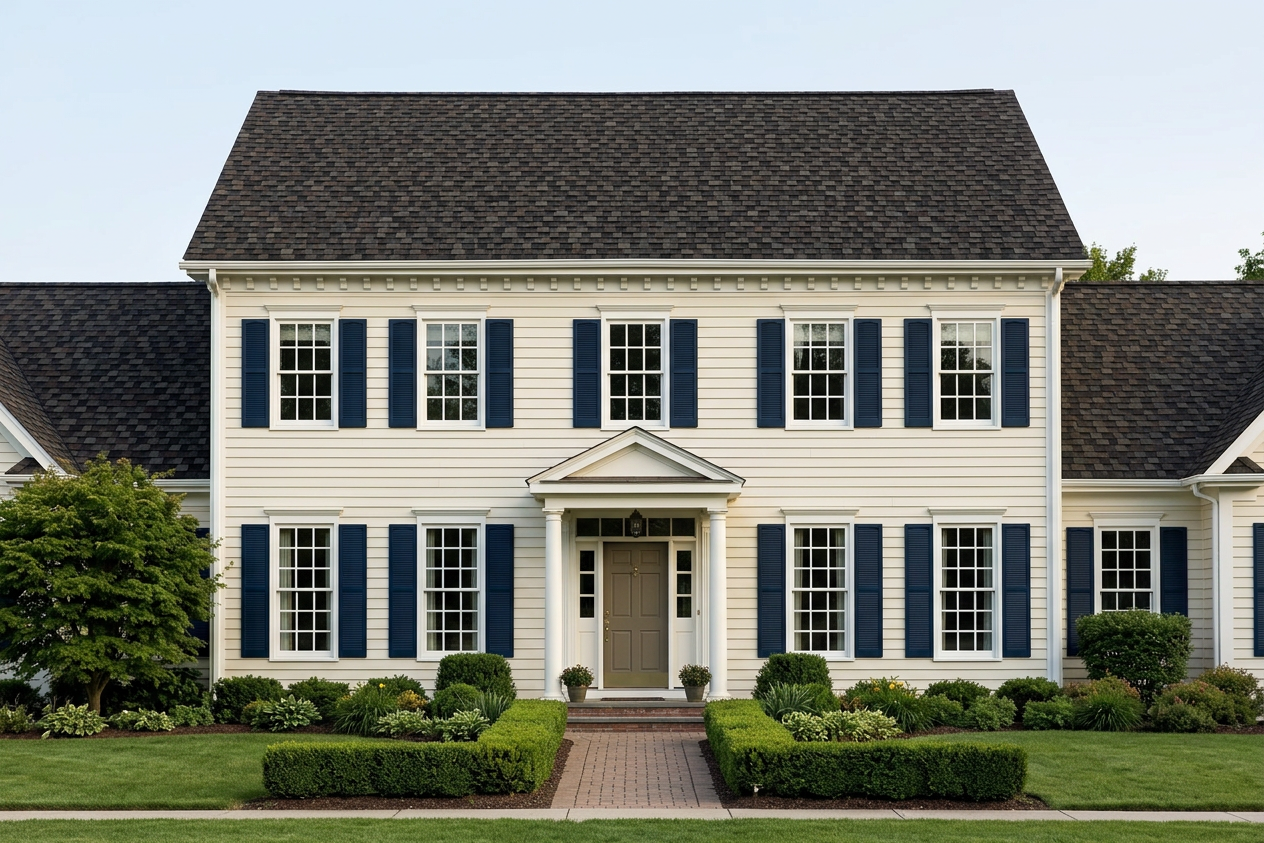
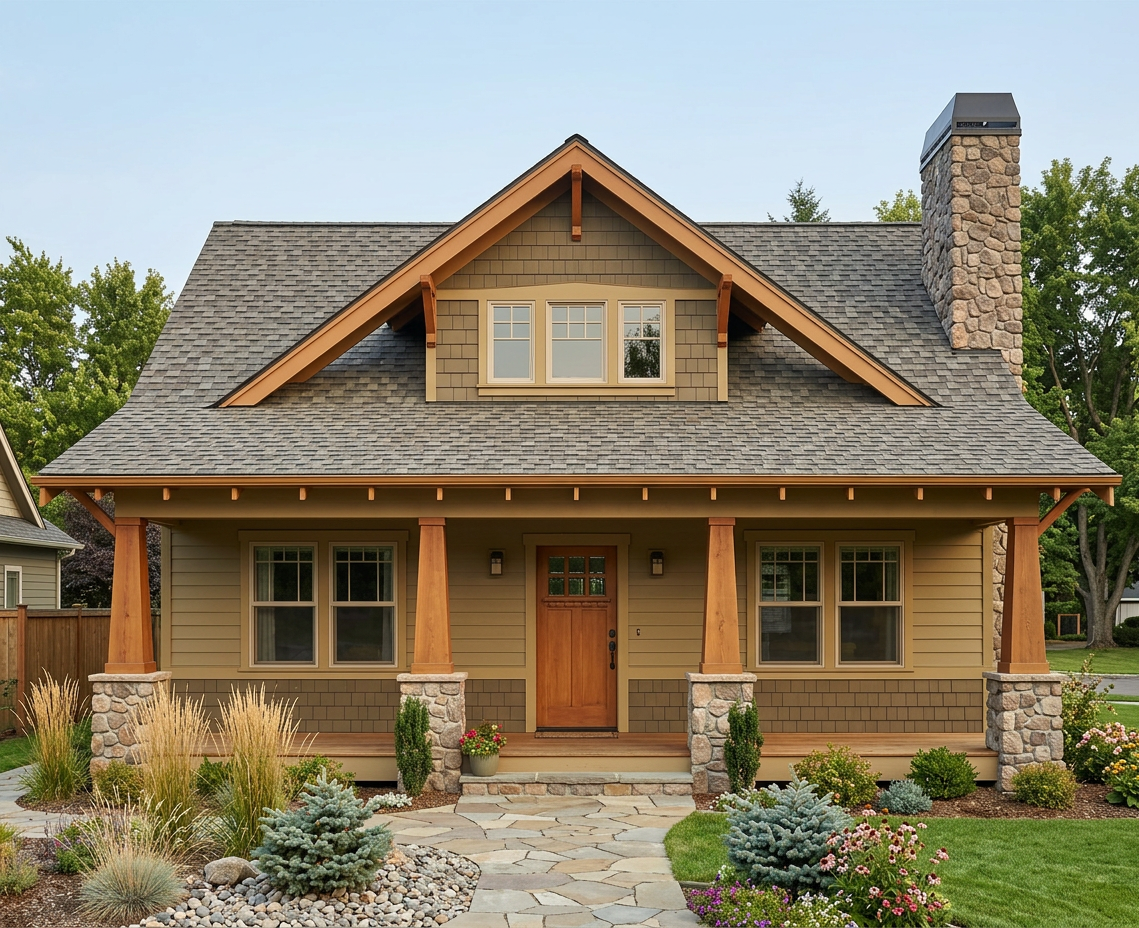
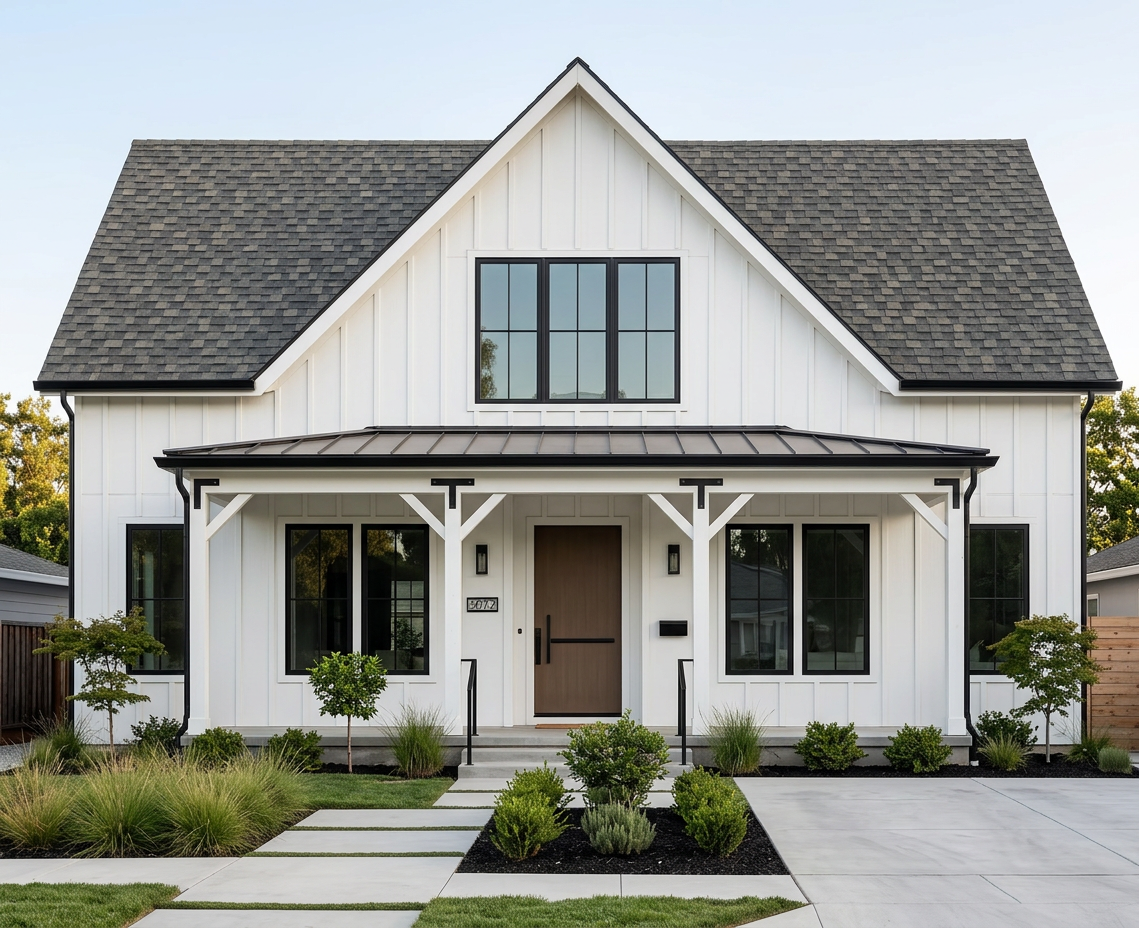
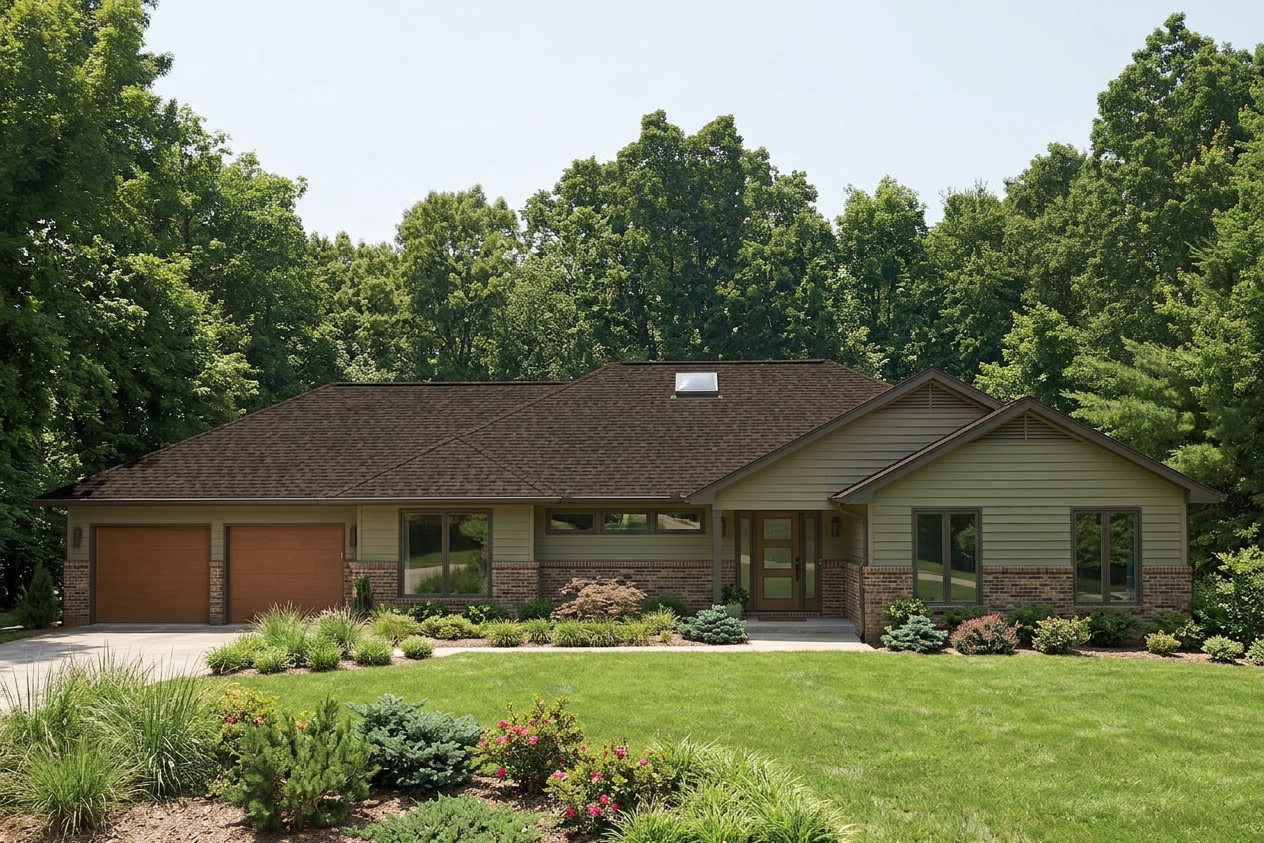
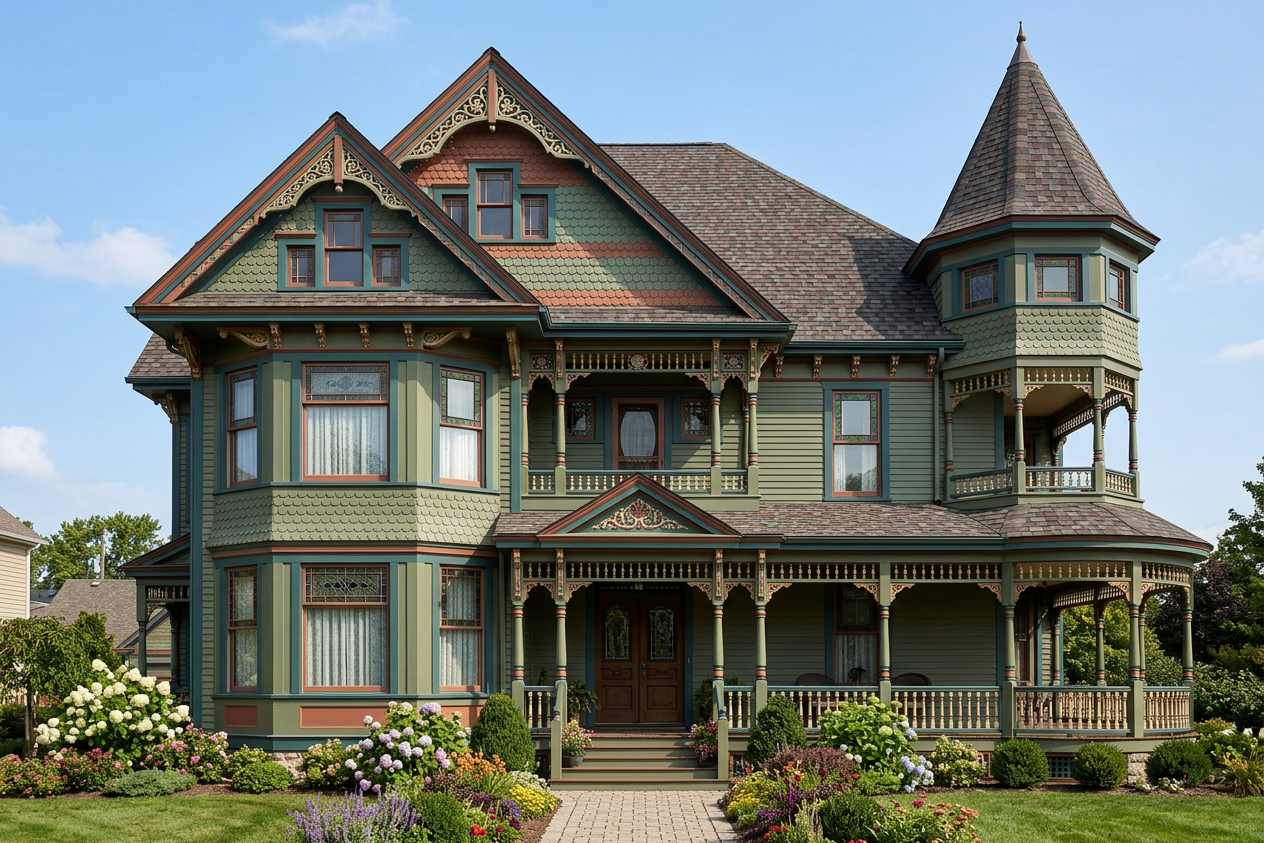
Upload a phone photo of your house and pre-load this exact dark gray-and-weathered-wood pairing in the visualizer. Swap to any of the recommended shingles below in one tap. No signup, no email.
Weathered-wood is the multi-tone category, not a single color.
Every brand interprets weathered-wood differently. IKO Royal Estate Shadow Slate skews cool. CertainTeed Landmark Weathered Wood skews neutral. Malarkey Legacy Weathered Wood skews warm. Order physical samples and view them on your roof before committing -- the differences are larger than they look in catalog photos.
Multi-tone blends fade more gracefully than single colors.
Because the granule blend already contains several shades, slight UV-driven shifts in one shade are invisible to the eye. Weathered-wood SKUs photograph almost identical at year 1 and year 15, which is why historic-district homeowners and design-review boards default to them.
Pairs naturally with stone, copper, and natural wood.
The multi-tone blend gives the roof enough visual complexity to harmonize with other multi-tone materials (fieldstone, natural cedar siding, copper gutters). On a stark all-painted elevation, weathered-wood can look busy. Pair with at least one other natural material to balance the elevation.
Using weathered-wood on a contemporary build
The multi-tone 'aged cedar' look reads as deliberately old. On a contemporary or modern-minimalist build the busy blend competes with clean architectural lines. Charcoal or black serve modern architecture better; weathered-wood belongs on traditional and revival styles.
Forgetting that brands interpret it differently
IKO Royal Estate Shadow Slate skews cool gray-brown. CertainTeed Landmark Weathered Wood skews neutral. Malarkey Legacy Weathered Wood skews warm. Order physical samples and view them on the roof in actual daylight before committing -- the differences are larger than the catalog photos suggest.
Pairing without a natural-material accent
Weathered-wood works best when at least one other material on the elevation also has natural variation (stone, cedar shake, copper). On a stark single-color painted facade, the multi-tone roof can read as visually busy. Pick at least one natural-material anchor below the roof line.
The questions homeowners ask before they commit. Answered without sales spin.
From street distance, yes. Up close the difference is obvious -- asphalt is flat, cedar is dimensional. But at curb distance most observers cannot tell the two apart, and the asphalt option costs roughly one-fifth as much installed and carries a 30 to 50 year warranty versus 20 to 30 for cedar.
Generally well. The multi-tone roof gives the elevation visual texture that solid-painted dark gray siding by itself can lack. Best paired with at least one natural-material accent (stone, cedar, copper) so the multi-tone roof has a tonal anchor below it.
Less visibly. Brown shingles drift slightly cooler and slightly desaturated over 10 to 15 years. Weathered-wood blends already contain several shades, so any individual-shade drift is masked by the other granules in the blend. The visual age curve is gentler. Source: NRCA Asphalt Shingle Manual.
Less than for traditional architecture. Weathered-wood reads as 'aged' and 'natural' by design, which can fight the clean lines of a contemporary build. On modern farmhouse it can work; on stark contemporary it usually reads as out of place. Charcoal or black serves modern architecture better.
Less visibly than gray or charcoal. The multi-tone blend hides the dark vertical streaks that Gloeocapsa magma algae causes on solid-gray shingles. All recommended SKUs include copper- or zinc-infused granules that inhibit algae growth in the first place. Source: NRCA Algae Discoloration field guidance.