
IKO Cambridge Weatherwood Shingles
A rich asphalt color that reads as one continuous plane in any light.
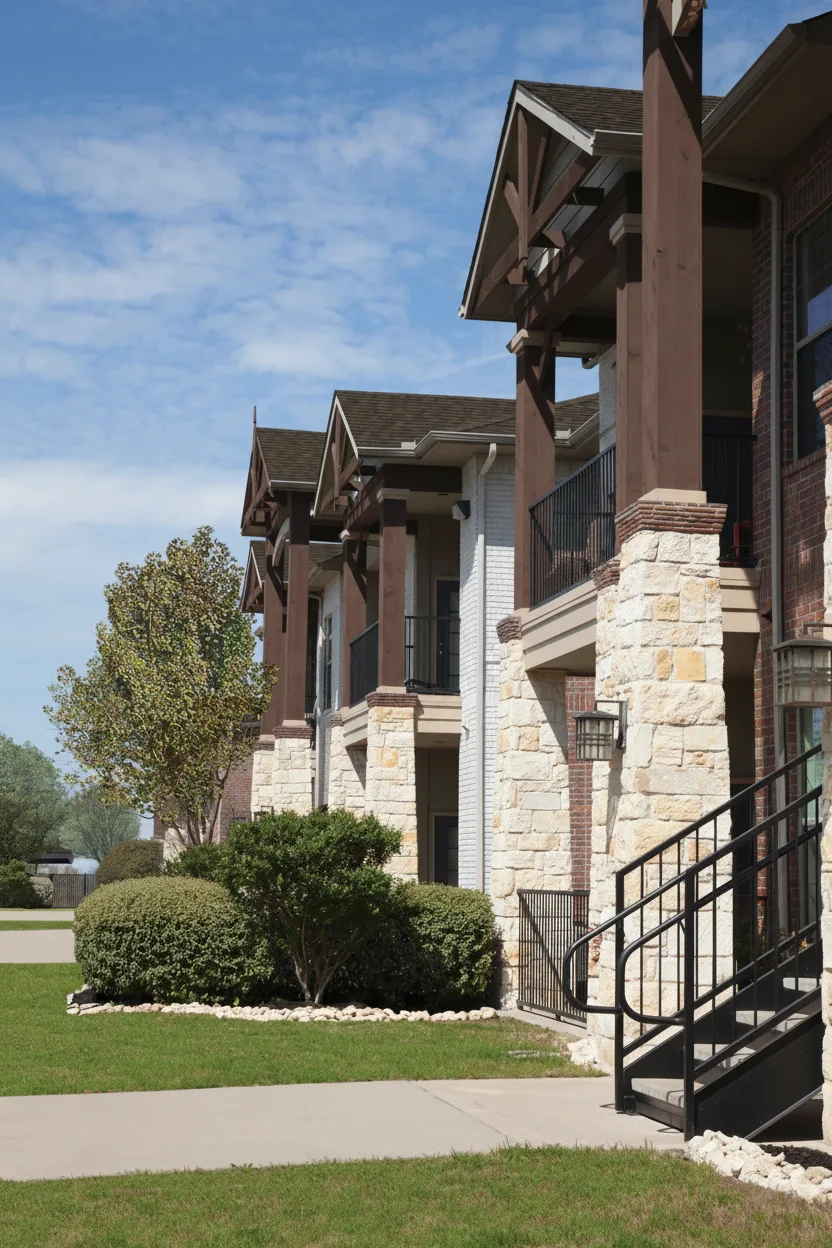
See Weatherwood on your house.
Opens the visualizer pre-loaded with this exact shingle. Swap to any other color once it is open.
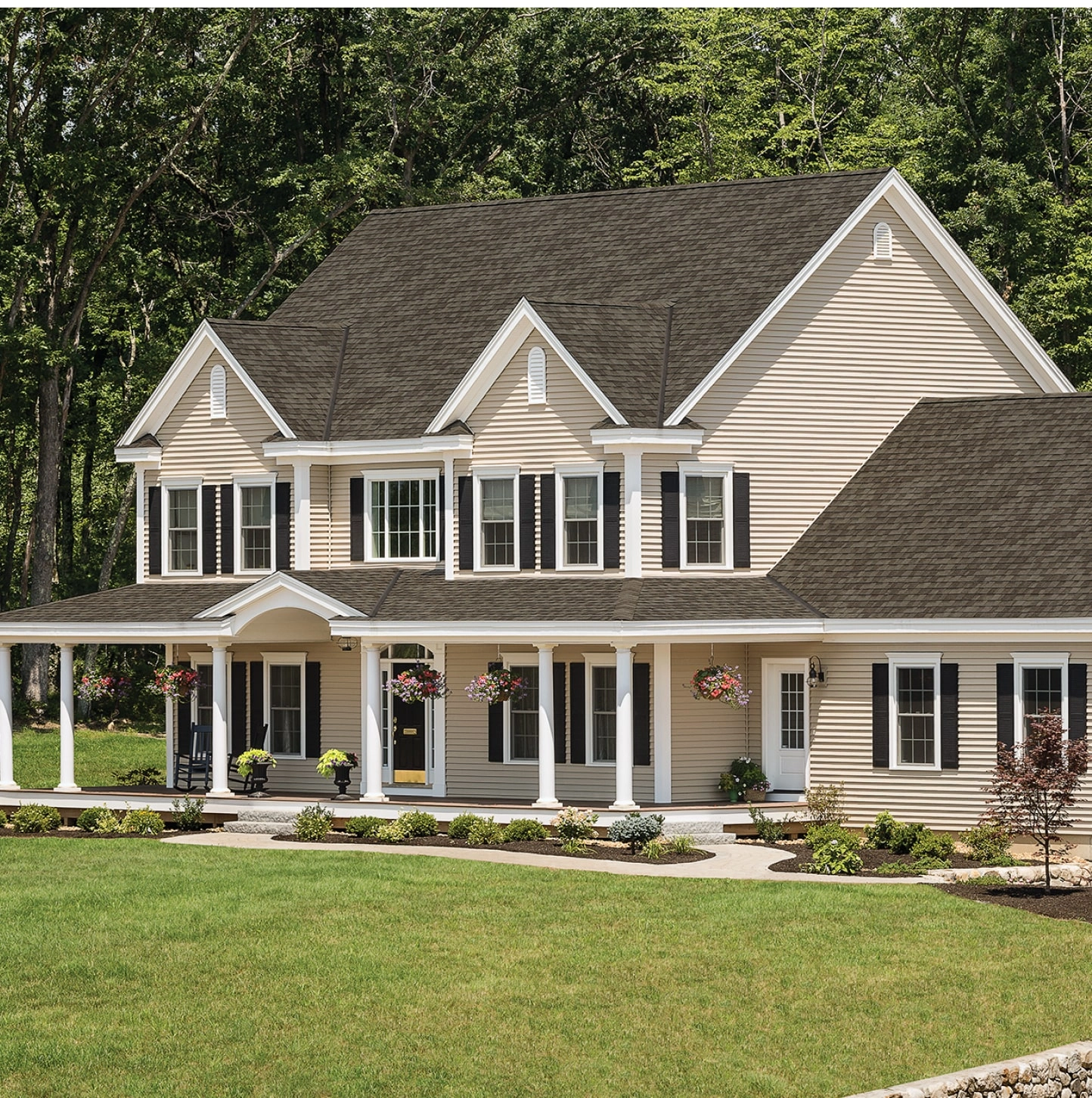
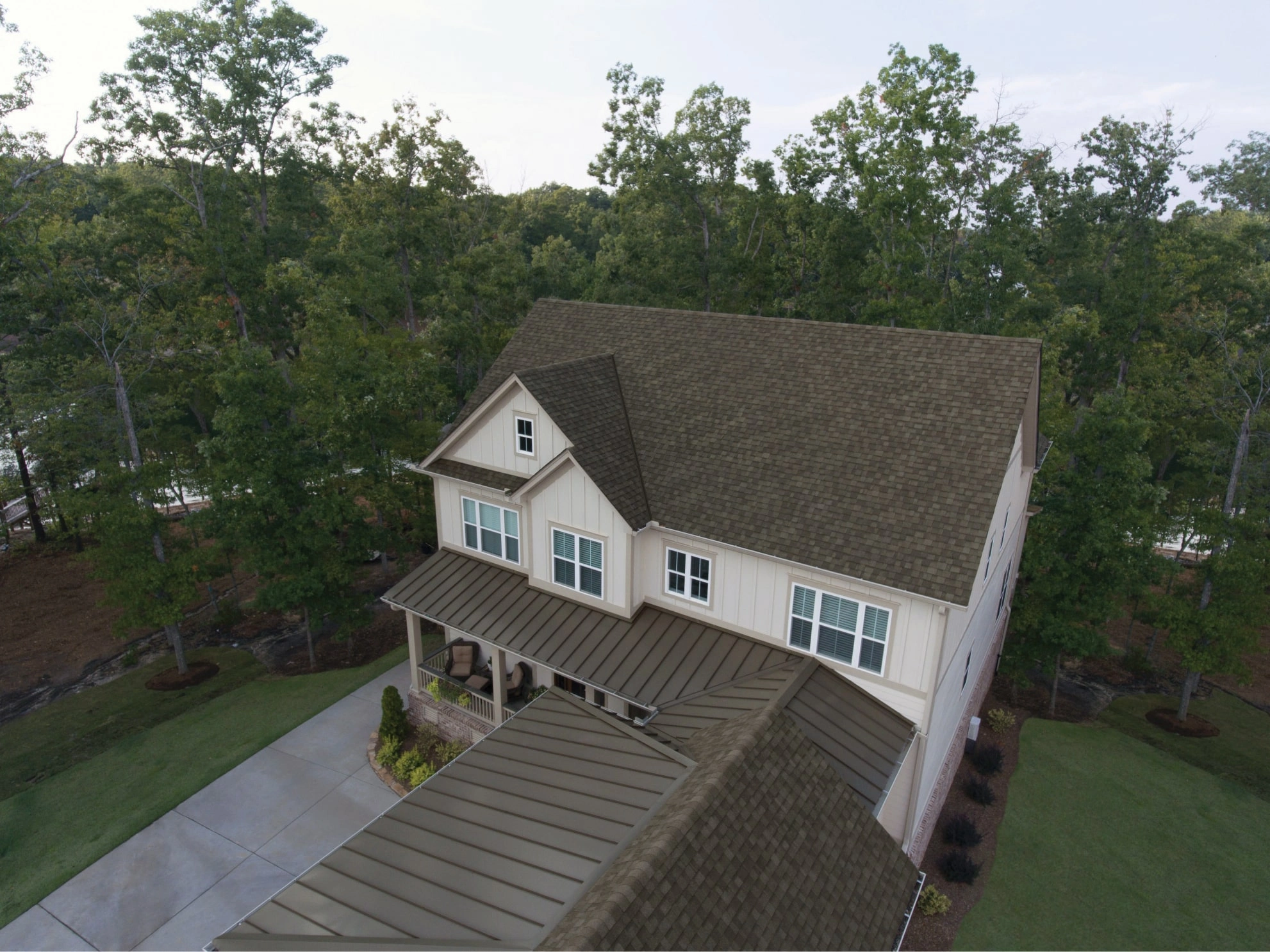
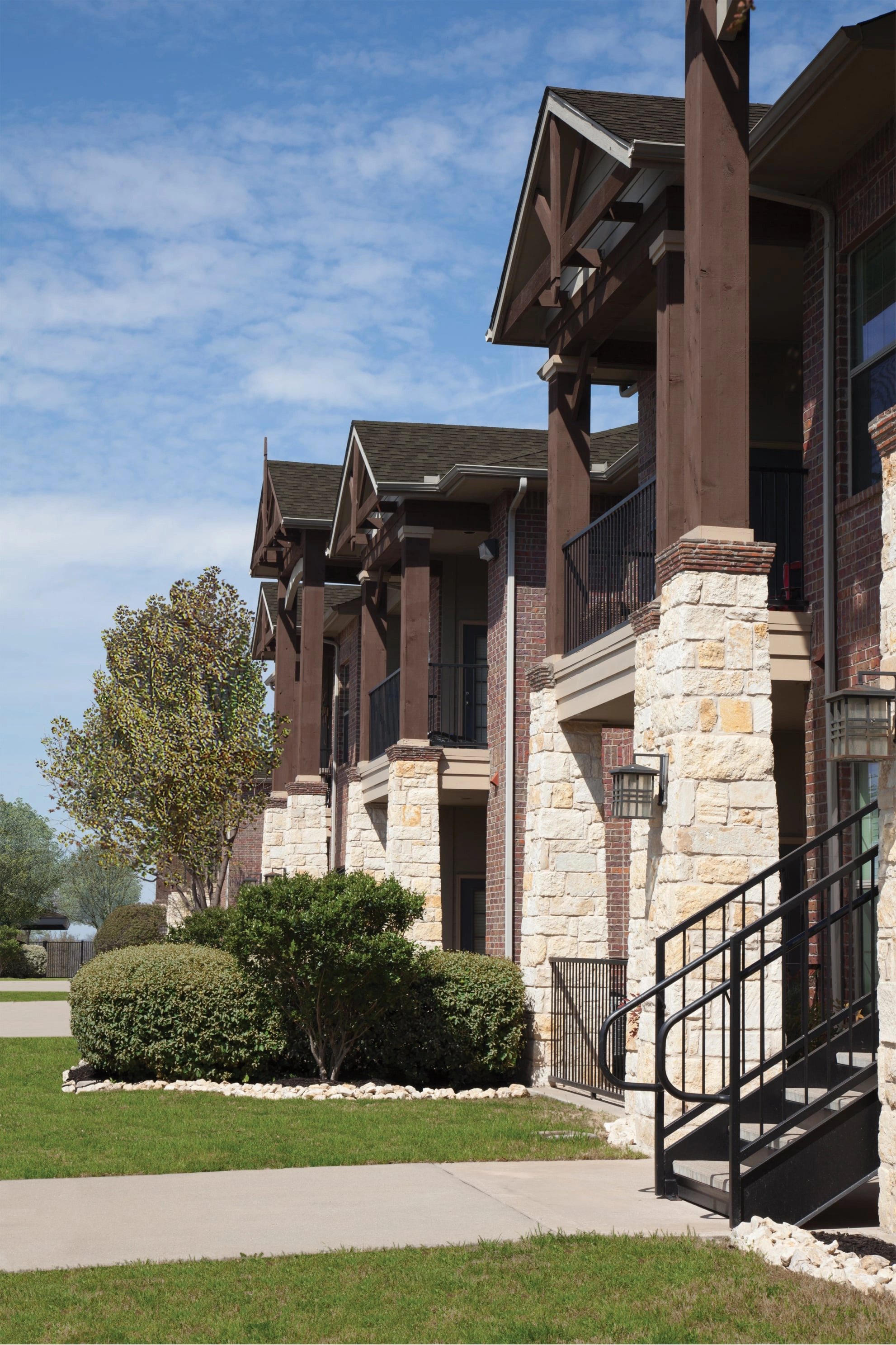
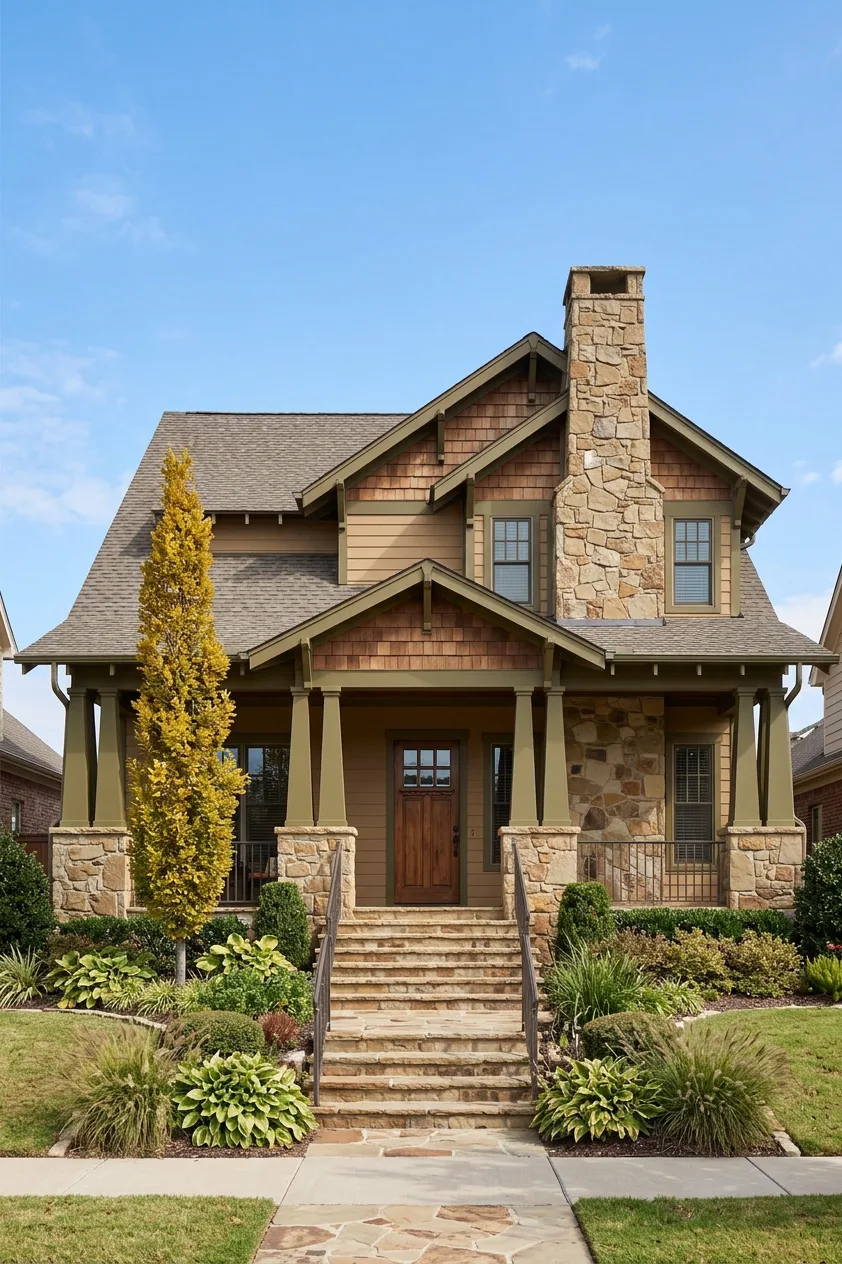
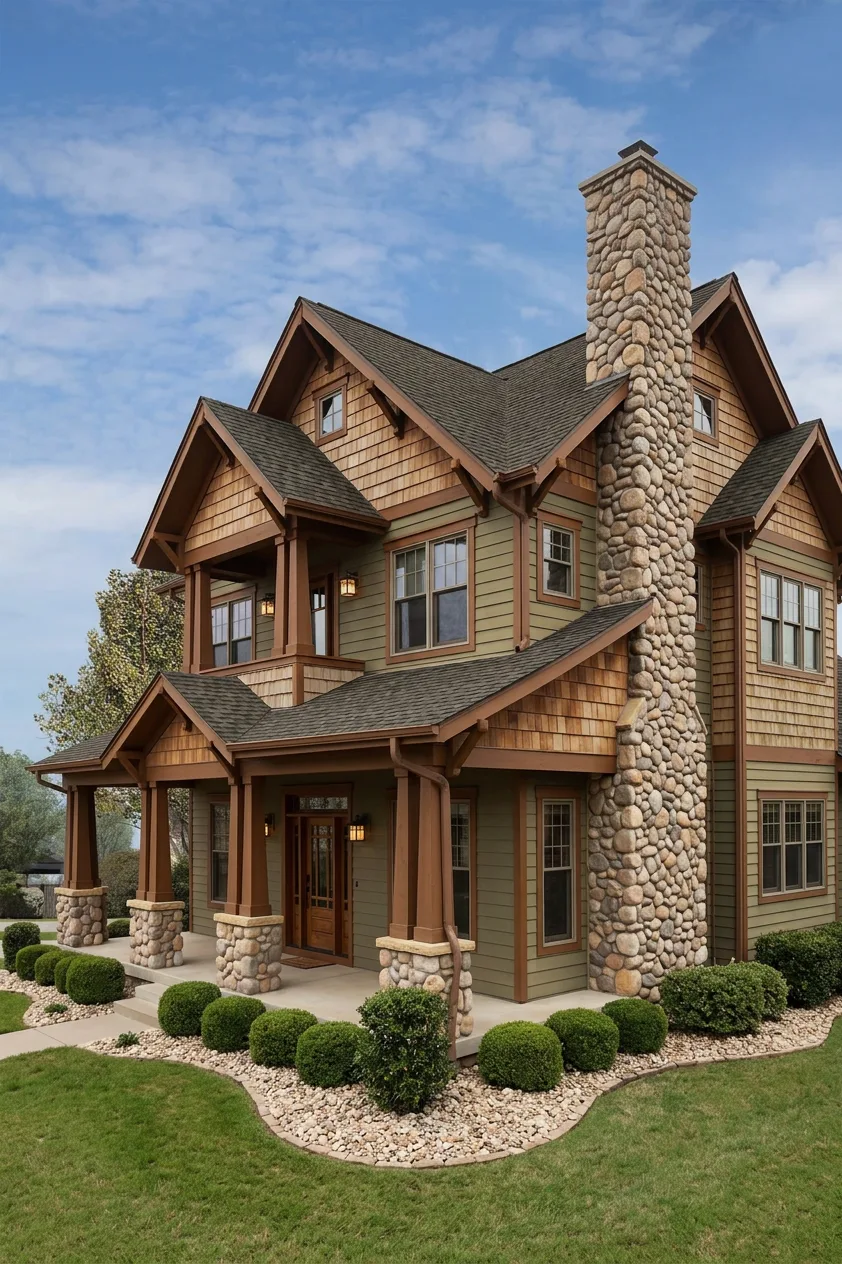
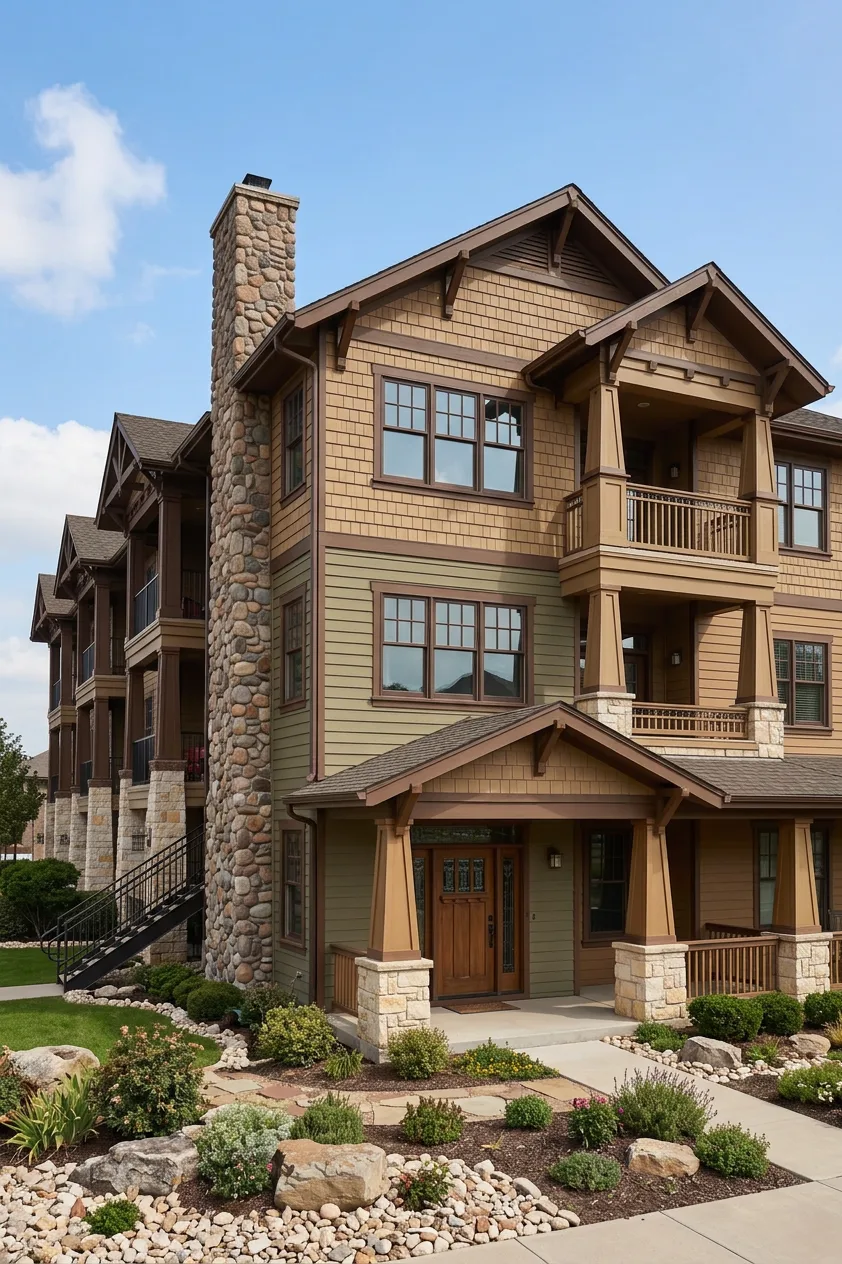
Traditional architectural-shingle brown. Weatherwood is a workhorse color on craftsman, traditional, and Tudor-style homes where the roof is meant to grow out of the landscape rather than contrast against it. The granule blend uses warm tobacco and weathered-wood accents to keep the surface visually alive.
The granule blend layers tobacco, amber, and dark walnut granules in a tight rotation. Up close you can see the layering; from the street it reads as one warm color with subtle texture.
A natural choice if your house has brick or stone accents you want to tie the roof to. Stay clear of it on contemporary all-white builds where it can read as dated.
| Type | Asphalt Fiberglass-mat, granule-coated, dimensional architectural shingle |
| Grade | Architectural Laminated profile with dimensional shadow line |
| Warranty | Lifetime Manufacturer limited; transferable terms vary |
| Wind rating | 110 mph Upgradable to 130 mph with IKO accessories. ASTM D3161 Class F. |
| Hail / impact | Class 3 UL 2218 Impact-Resistance Test rating. Class 4 is the highest grade; some Florida insurers offer a small discount on hail-rated roofs. |
| Fire rating | Class A ASTM E108 / UL 790 |
| Weight per square | 215 lbs Standard architectural asphalt |
| Algae resistance | ArmourZone 15-year algae warranty |
| Manufacturer | IKO Brampton, Ontario · made in the Canada |
| Exposure | 5 7/8 inches (149 mm) Manufacturer-specified shingle exposure per course |
Materials-per-square pulled from retailer scrape (Lowe's/Home Depot Florida zips).
Upload a phone photo of your house and watch our AI swap your existing roof for IKO Cambridge Weatherwood in about four seconds. Save the render, share with your contractor, change your mind ten times. Free.
Questions homeowners ask before they commit. Answered without sales spin.
A warm, anchored brown with visible reddish or amber granule accents. In direct Florida sun it reads as a clear sienna or coffee; in shade it softens to a near-black. The blend is layered enough that the surface looks alive rather than flat.
Yes, and that is the canonical pairing. Brown asphalt and red brick share a warm tonal family, so they read as one coordinated elevation rather than competing colors. The trick is keeping the trim color clean and bright (warm white, soft cream) so the eye has somewhere to rest.
Minimally. IKO's ceramic granule coating holds warm tones for 25 plus years in Florida UV. Browns tend to drift slightly cooler over the first 5 years (a barely visible shift) and then stabilize. The full warranty covers premature fading. Source: IKO product warranty card and NRCA Asphalt Shingle Manual.
Slightly. Dark warm tones absorb similar solar heat to dark grays, adding roughly 5 to 10 degrees Fahrenheit to peak-summer attic temperatures versus a light gray. Proper ventilation and a radiant barrier under the decking keep monthly cooling-cost impact under 20 dollars in most homes.
The 'brown' SKUs across major brands sit within a fairly tight tonal window. Most are mid-to-dark brown with warm undertones; differences are mostly in granule blend size and shadow-line depth. Use the Compare tab to see direct hex deltas against similar SKUs.
On a contemporary white-stucco build, possibly. On a craftsman, traditional, Tudor, or Mediterranean elevation it is the most architecturally correct choice and reads as deliberate rather than dated. Picking by house style matters more than by trend.