

Florida Roof Replacement Law.
Florida roof replacement law: see what Florida insurers check. Type your address to see your roof age and records the way an insurer sees them. Free, no signup.
Florida law never tells you to replace a roof at a set age. The statutes that touch roofs deal with when an insurer may refuse an older one, how far a repair must go to meet code, and how long you have to claim.
Talk to a roofer about your insurer.
Get an inspection your insurer will accept, or a plan if the roof needs work.
- 01Type the address.
- 02Leave a name and a phone number.
- 03Expect a call to schedule the visit.
Older roofs under SB 2-D.
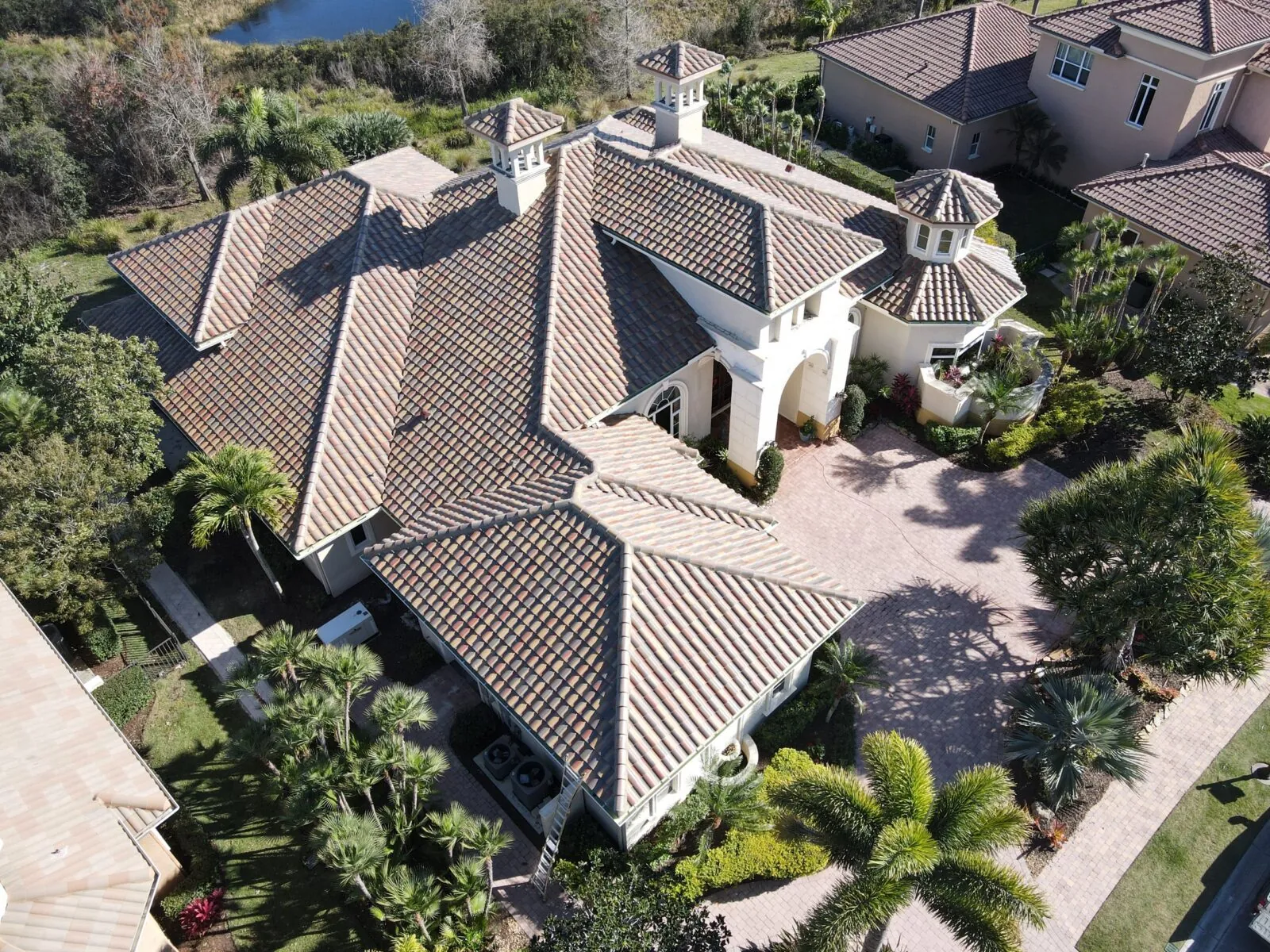
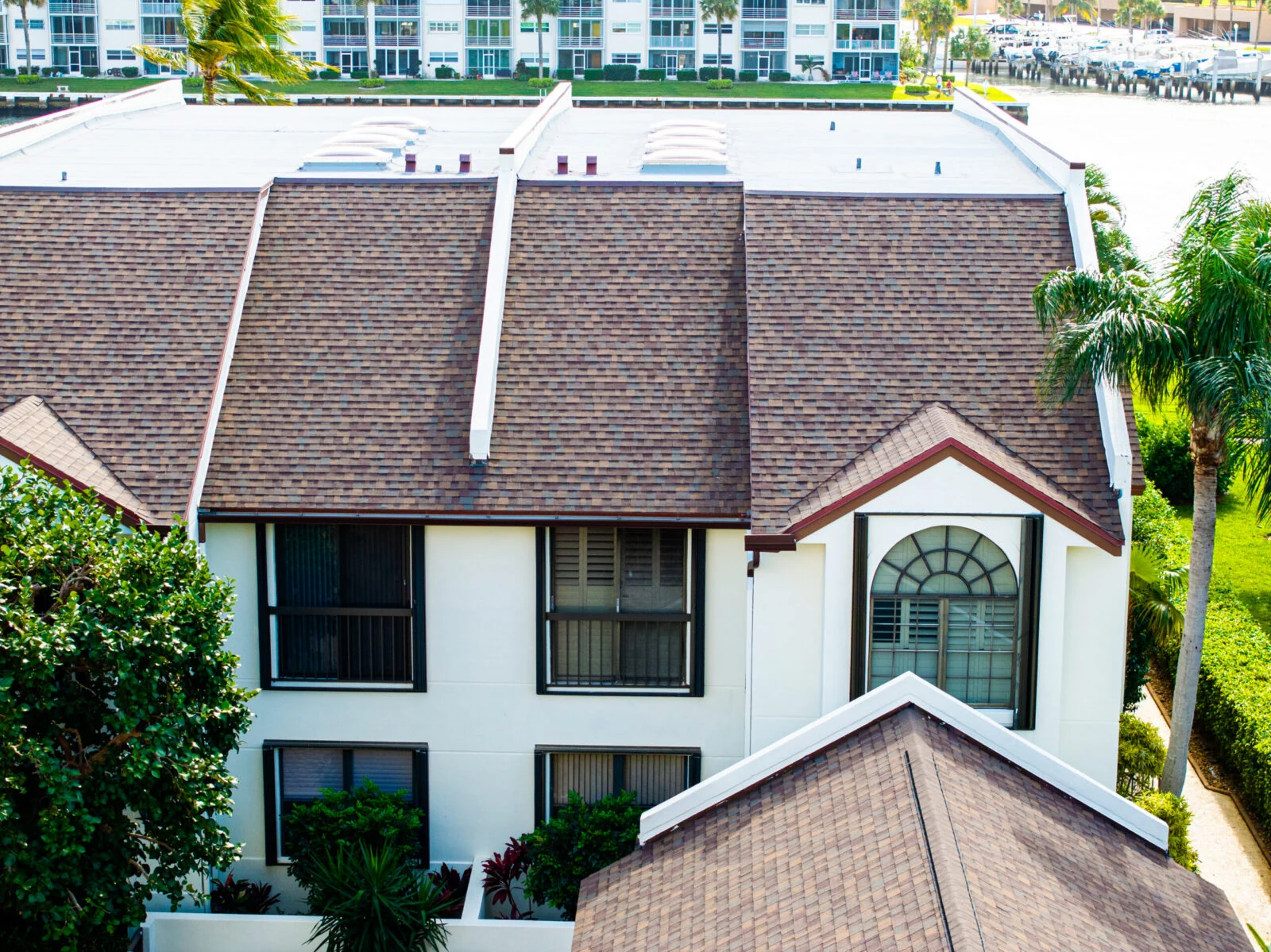
SB 2-D, part of the 2022 reforms, covers shingle roofs past 15 years.
If an authorized inspection puts the remaining useful life at 5 years or more, the insurer generally cannot drop or decline the policy over roof age by itself.
Carriers still read age before anything else. That inspection is your answer when the record puts you past 15.
- No age cap in statute. The law names no maximum roof age. Carriers set appetite on their own.
- Roofs with no permit. A carrier will usually count them as old as the house.
What Florida roof replacement law covers.
Repairs, code upgrades, deadlines and contractors.
These come up when a roof gets repaired, replaced or claimed.
The 25% rule
Work on more than 25% of the roof in any 12-month stretch pulls the untouched remainder up to today's code.
The 2007 code exception
Since 2022, a roof that already meets the 2007 edition of the state building code, or a newer one, gets the damage fixed and nothing more.
Claim windows
New and reopened claims get 1 year after the storm or other loss; supplemental claims get 18 months (SB 2-A).
Assignment of benefits
Residential policies dated January 1, 2023 or later no longer let a contractor take over your claim (SB 2-A).
How insurers judge your roof.
Underwriting does not climb ladders. It reads the roof age in public records first.
Pull your free roof report and start with the age line, marked permit-backed or estimated. Then check the material, since shingle draws questions years before tile or metal.
If the roof is past about 15 years and due for replacement, price it in the estimator, which measures the roof from aerial imagery, and send the quote request on to partner Florida roofers.
Common questions.
No, there is no statute forcing replacement at any age. The 15-year figure comes from carriers, most of whom ask for a 4-point inspection on roofs past about that age before they write or renew. The decision to replace stays with you, your roofer and your insurer.
A carrier sets its own appetite, and owners of older homes can end up at Citizens or on a policy that relies on wind mitigation credits. SB 2-D gives a shingle roof with 5 or more years of useful life some protection, and an authorized inspection is the way to show it.
It does for roofs that predate the 2007 edition of the state building code. Roofs meeting that edition or a newer one were carved out in 2022: the damaged area gets fixed and the rest stays as it is. Your roof age and permit date in the report help you see which side of 2007 you are on.
They sit beside it. Form OIR-B1-1802 records seven wind features, including roof geometry and secondary water resistance, and your insurer applies credits from the copy a qualified inspector fills out. Houses built under the 2002 code or later usually qualify, and pre-2002 houses often get there with modest retrofits.
On this site, yes. The installed figures fold in the permit and its inspection, along with materials, labor and hauling off the old roof. The permit matters past the job itself, because it becomes the date carriers read as your roof's age, and a replacement with no permit leaves the old date standing.