

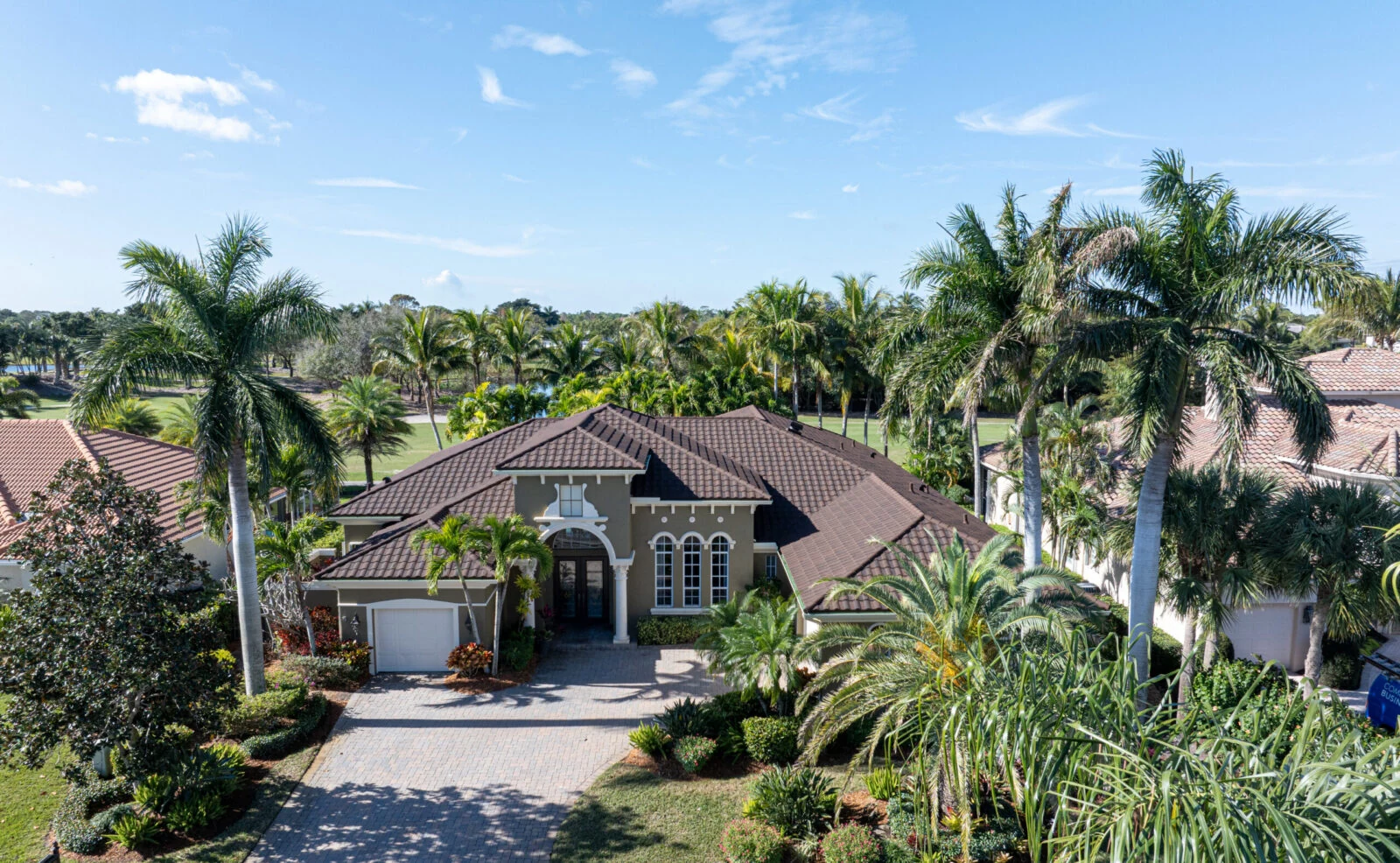
Wind Mitigation Report.
Wind mitigation report: type any Florida address and see the wind mitigation features on record for that roof, the ones that earn insurance credits. Free, no signup.
Those credits come from the state wind mitigation form, OIR-B1-1802, completed by a qualified inspector. Before that visit, look up the house: the roof report lists its roof age, covering and design wind speed.
Which homes earn wind credits.
Build year and roof shape both count.
Houses that meet the 2002 Florida Building Code, or any edition since, usually earn wind mitigation credits on the state form.
A house built before 2002 often qualifies after modest retrofits to the features the form scores. On roof shape, hip roofs score better than gable roofs.
Read your build year and roof material first, then decide if the house needs the inspection now or a retrofit before it.
What the wind mitigation form covers.
The form scores seven features: the building code, the roof covering, deck and roof-to-wall fastening, roof shape, any secondary water barrier and opening protection.
You can check a few of them in public records. The inspector confirms the rest at the house.
- Roof covering. Your roof report lists the material on record and its age, dated by permit or labeled as an estimate.
- Building code. Your build year tells you whether the house falls under the 2002 code or later.
- Deck, walls and openings. Deck fastening, roof-to-wall connections and opening protection need the inspector on site.
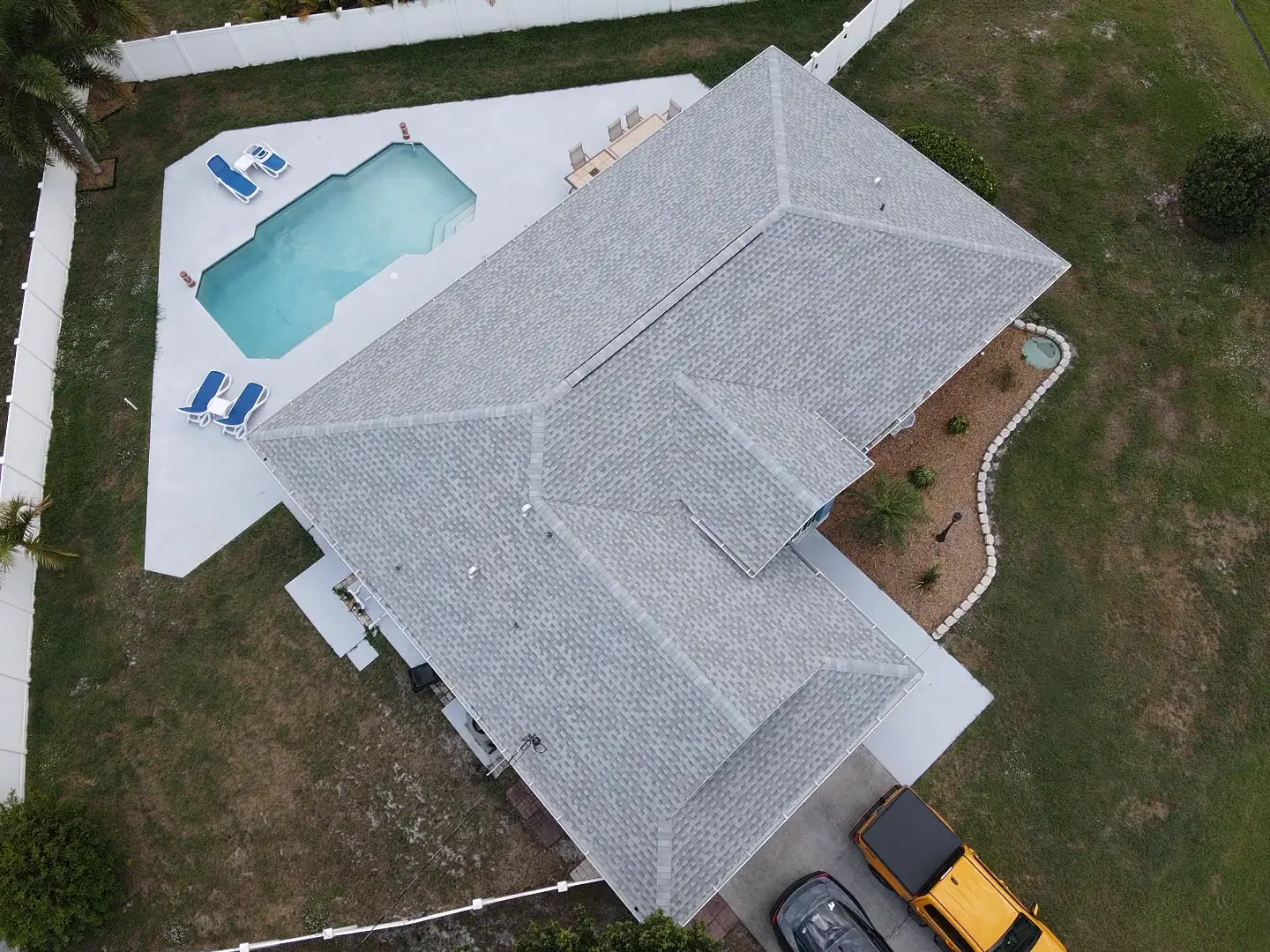
How to get a wind mitigation report.
Start with the address and finish with the completed form in your insurer's hands.
- 01
Type your address
Read the roof age, material, design wind speed and storm history on record. Free, no signup.
- 02
Match it to the form
Compare your build year and roof covering with the seven features the inspector scores.
- 03
Book a qualified inspector
The inspector visits, checks each feature and completes the form for your insurer.
- 04
Get a quote for retrofits
If the house needs roof work to qualify, request a quote through the estimator. It goes to partner Florida roofers.
Common questions.
It is the completed state wind form for your house, filled in by a qualified inspector after a visit. Florida insurers read it to decide which wind credits apply to your policy, and the credits follow the features the inspector records. The free roof report on this site is the records check you run before that visit, with no signup.
Your roof report shows the covering and its age, and your build year tells you which code applies. You can see whether the roof is hip or gable from outside the house. Deck fastening, roof-to-wall connections and any secondary water barrier sit under the roof, where the inspector looks.
Yes, on the roof geometry line, which is one of seven on the form. A gable roof can still earn credits through the other six, such as opening protection or how the roof is fastened to the walls. The inspector notes the shape at the visit along with the rest of the form, and your insurer reads all seven lines together.
Three lines on the form describe the roof itself: the covering, the deck attachment and the secondary water barrier. If you are replacing the roof, ask partner Florida roofers about those three when you request a quote through the estimator. A qualified inspector then documents the finished work on a new form for your insurer.
No. An online lookup cannot complete or sign the state form, and your insurer waits for the inspector's completed copy before any credit applies. The roof report helps you prepare for that visit by showing the records for the roof, free and with no signup, for any Florida address.
No, the 4-point looks at the condition of the roof, electrical, plumbing and HVAC, and carriers ask for it once a roof is past about 15 years. The wind form answers a different question, how well the house resists wind, and insurers use it to set credits. Your carrier may ask for both.