

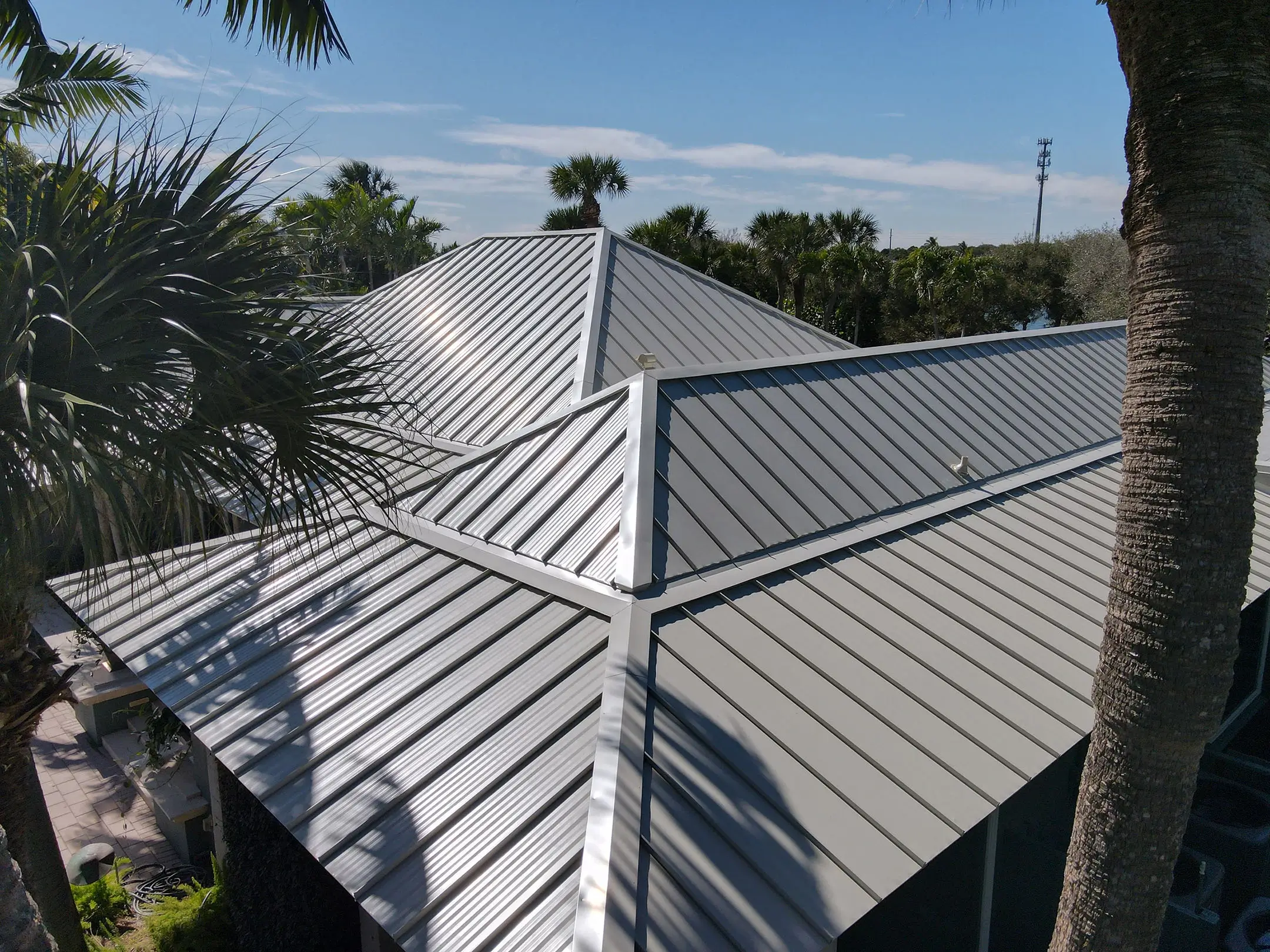
Hail Damage Roof.
Hail damage roof: type a Florida address and see the hurricanes, hail and wind on record for that roof. Free, no signup.
The report names each hurricane and tropical system that passed over the address, and it holds no hail records. A roofer confirms hail marks on the roof itself, and you reach one through a repair request.
What the report shows about storms.
Public records cover the storm side and the roof's age. A roofer covers the damage.
| Hurricanes and tropical systems | Listed by name |
| Hail events | The report has no hail data; a roofer confirms dents and bruising in person |
| Design wind speed | On record for the address |
| Roof age and material | Dated by permit, or shown as a labeled estimate |
| Flood and surge zones | FEMA flood zone and evacuation zone, lettered A to E |
| Damage to shingles or tile | Seen only on the roof, by a roofer or adjuster |
The Florida claim clock.
You have 1 year after a storm, counted from the date of loss, to open a new claim. A supplemental claim can follow within 18 months.
Note the storm date. Take photos before any tarp or patch goes on.
For any policy issued January 1, 2023 or later, assignment of benefits is gone and the claim stays in your name.
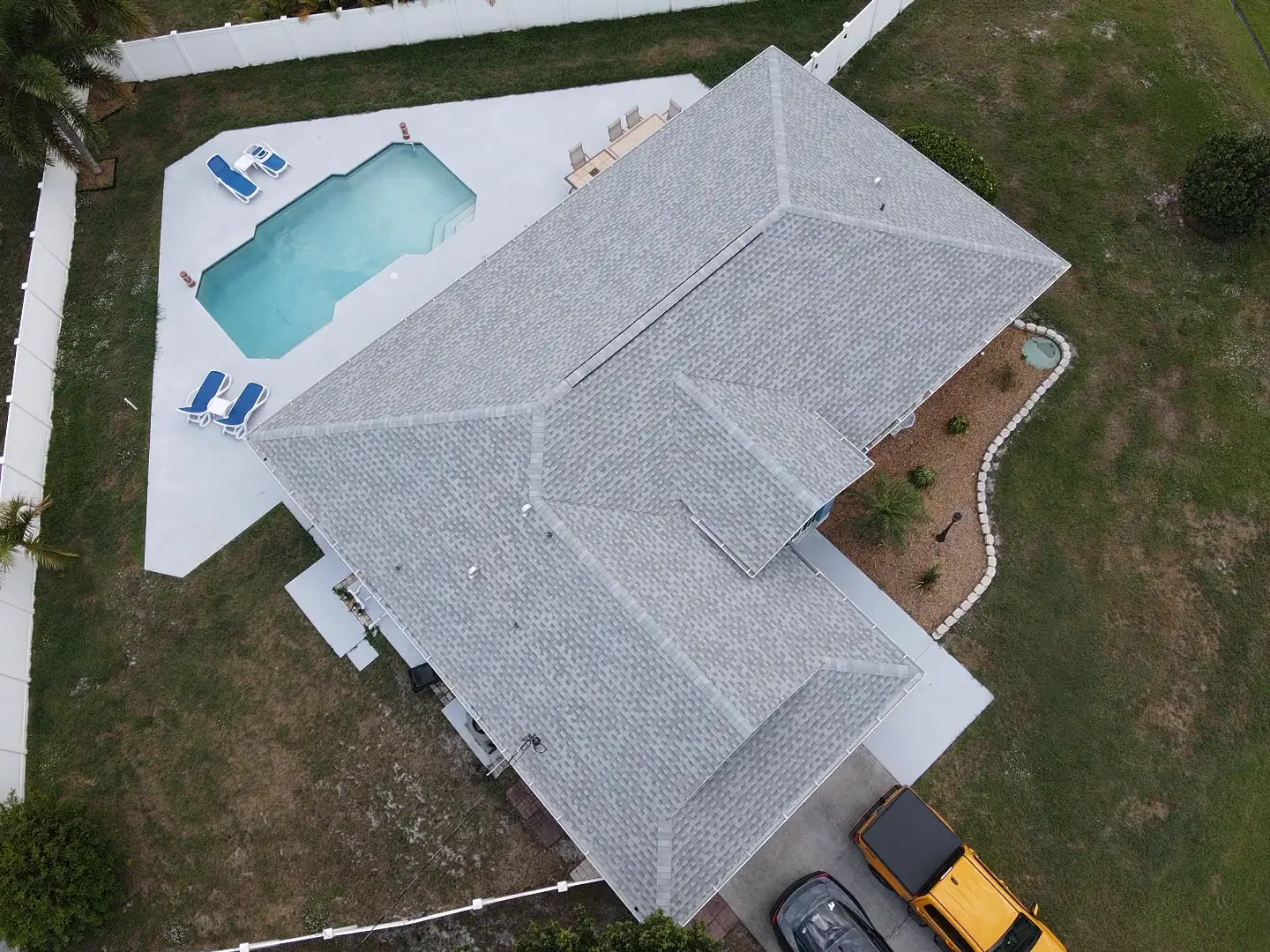
What sets the scope of the repair.
The roofer's scope depends on how much of the roof was hit and which code it was built under.
The 25% rule
Repair or replace more than 25% of the roof within 12 months, and the remainder has to meet current code.
Roofs from 2007 on
Under the 2022 change, a roof put on under the 2007 code or a later edition needs only its damaged section fixed.
An aging roof
Florida shingle roofs typically run about 15 to 20 years. Near that mark, price a repair and a replacement side by side.
Quote requests
Send the repair request through the estimator. It reaches partner Florida roofers.
Common questions.
The report carries no hail data for any address. Its storm history lists named hurricanes and tropical systems, next to roof age, material, design wind speed and the flood and evacuation zones. A roofer or adjuster has to look at the roof itself to confirm marks from a storm.
Under the 2022 reforms (SB 2-A), a new or reopened property claim has to reach your insurer within 1 year of the storm, counted from what the policy calls the date of loss. You get 18 months for a supplemental claim. Write the storm date down the day it happens, because the clock starts there.
The answer turns on your policy type and the roof. Replacement cost value pays to replace the roof, and an actual cash value policy pays less because it deducts depreciation for the roof's age and wear. The roof age in your report, permit-dated or marked as estimated, shows how old an insurer will likely consider it.
Type your address, read the storm record, and request repair quotes in the estimator. A partner Florida roofer picks it up, looks at the roof and quotes the work. Repair pricing comes from the roofer after that visit, and this site publishes none.
Carriers weigh roof age before anything else. When a roof is about 15 years old or more, expect most Florida carriers to require a 4-point inspection first, at purchase or at renewal. Since SB 2-D, an insurer generally cannot turn away a shingle roof over 15 years on age alone if an authorized inspector finds 5 or more years of useful life left.