

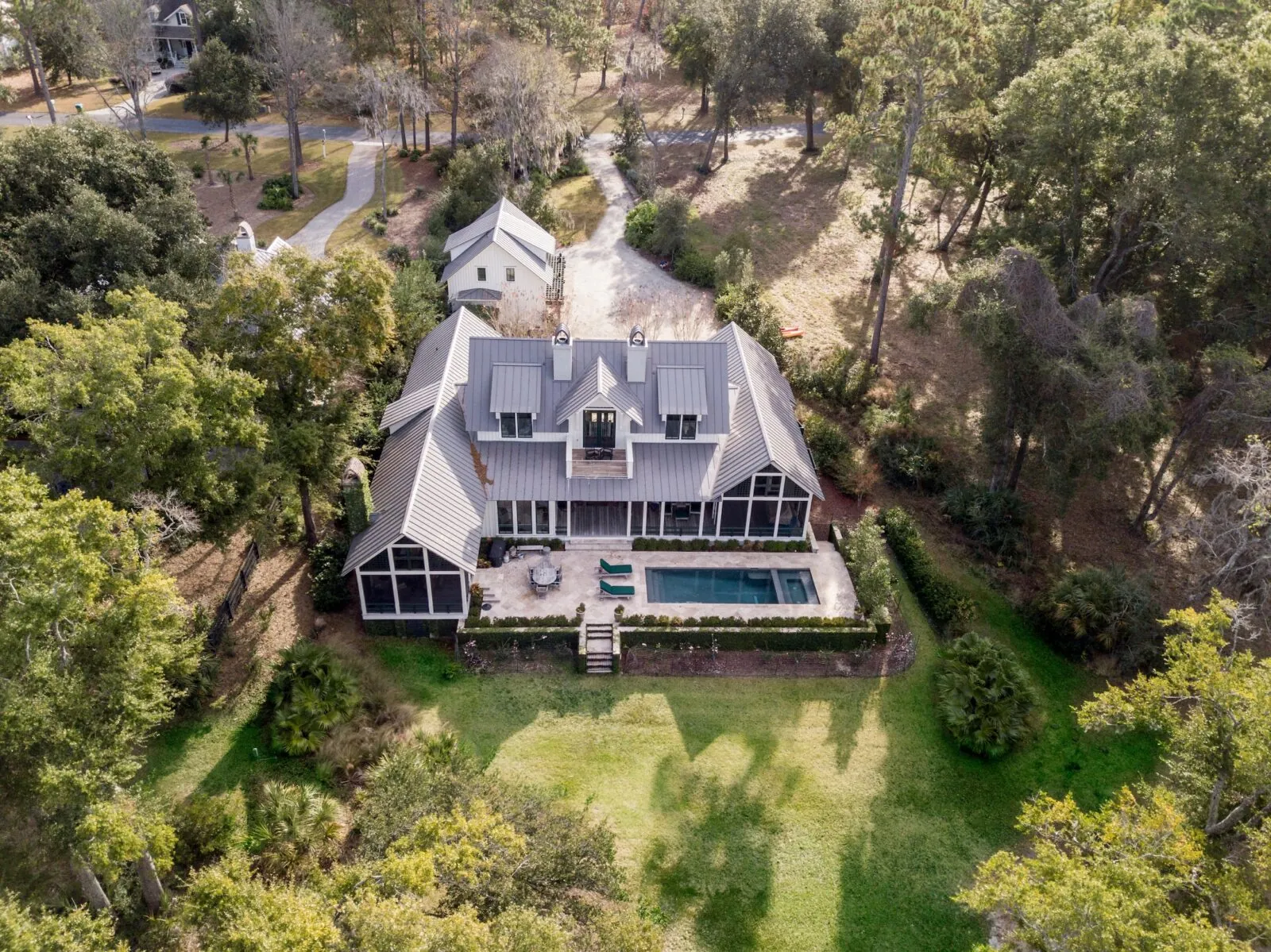
Hail History by Address.
Hail history by address: type a Florida address and see the hurricanes, hail and wind on record for that roof. Free, no signup.
The report gives the hail history for the area around an address, from federal NOAA reports within 5 miles: the largest hailstone and the date of the latest report, set beside the named hurricanes, wind and flood data a roofer will ask about.
Storm and exposure data by address.
Free for any Florida address, no signup.
Type the address and the report returns these weather and exposure lines, plus the one it leaves out. All of it comes from public records.
| Storm history | Hurricanes and tropical systems, by name, that are on file |
| Hail | Largest hailstone and latest report within 5 miles (NOAA) |
| Design wind speed | The design wind speed for that location |
| FEMA flood zone | The flood zone on file for the lot |
| Evacuation zone | Storm-surge zone, lettered A to E |
Reading storm history next to roof age.
A storm on the list means more once you know when the roof went on. A roof installed after a hurricane did not ride that one out.
Florida's claim clock starts on the storm date too: 1 year for a new or reopened claim, 18 months for a supplemental one.
- Permit-backed age. Dated from an actual re-roof permit, as 58% of ages on record are.
- Estimated age. When no permit turns up, the age comes from the year built and county assessor data, marked as an estimate.
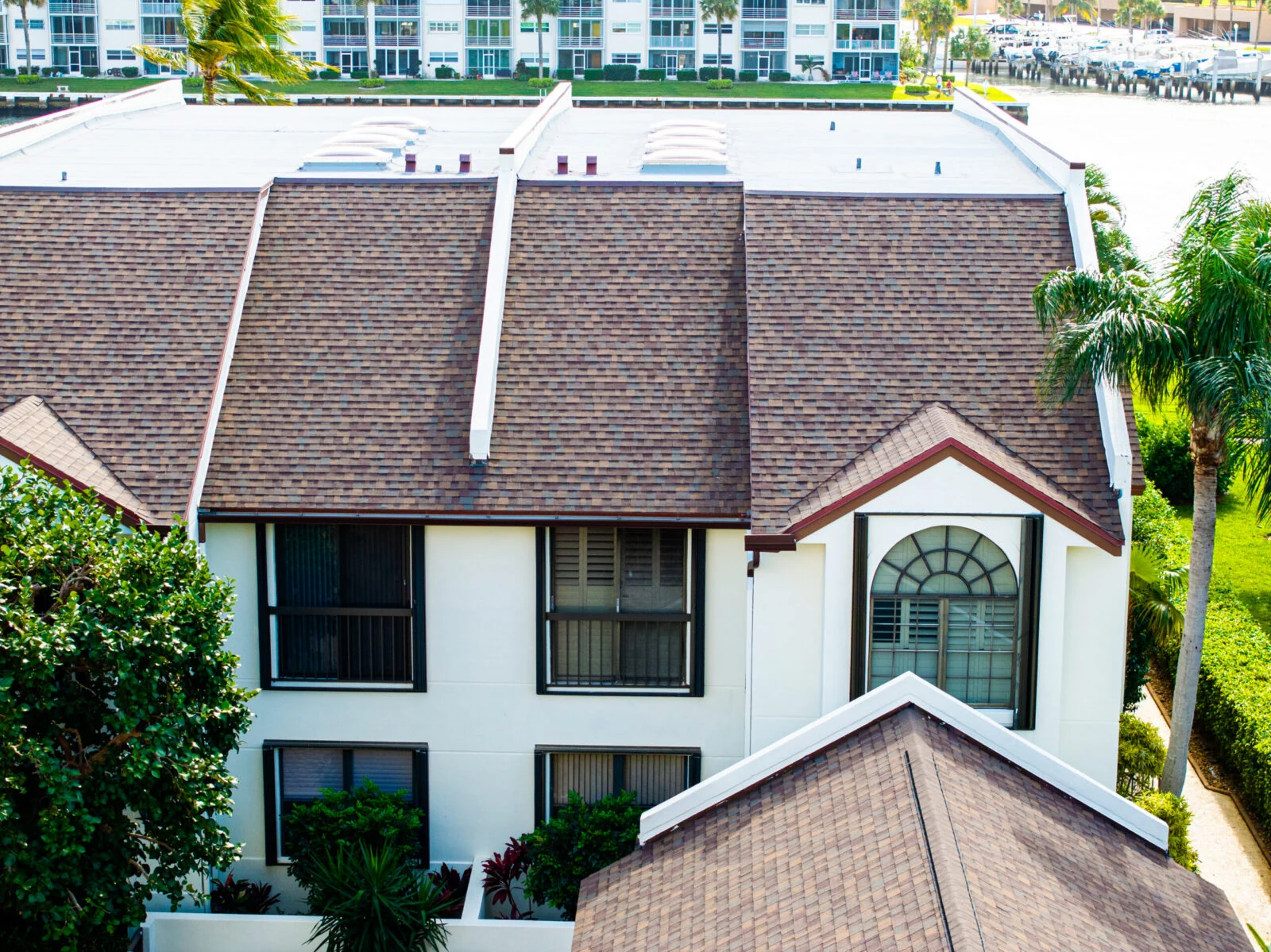
Steps if you suspect roof damage.
Records narrow the question. Someone on the roof answers it.
Note the dates
Write down the storm date and the roof age from the report.
Request repair quotes
Repair requests go through the estimator to partner Florida roofers.
Ask about the 25% rule
Repair more than 25% of a roof within 12 months and the rest comes up to current code, unless the roof was built to the 2007 code or later.
Common questions.
Yes, for the area around the house. The report lists hail that federal NOAA storm records place within 5 miles of the address, with the largest hailstone reported and the date of the latest report, beside the named hurricanes, design wind speed and the FEMA flood and evacuation zones. It shows the area's hail history, not whether hail struck your roof, and only an inspection confirms damage.
No. A storm on record tells you weather reached the area; it says nothing about the shingles on your house. A roofer's visit settles that, and the storm date plus your roof age give that roofer a useful starting point for what to look at and what the claim clock allows.
Send a repair request through the estimator and it goes to partner Florida roofers. This site lists no repair prices, since repair cost depends on what the roofer finds. Bring the roof report with you, because age and material shape both the repair and any claim.
Assignment of benefits is off the table for residential property policies issued from January 1, 2023 onward, under Florida's 2022 reforms. You file with your insurer, and the roofer's findings and repair quote support the claim you make. Policies written before that date follow their own terms, which your agent can read with you.
It depends on how your policy pays. Replacement cost value (RCV) covers the cost to replace, while actual cash value (ACV) subtracts depreciation for the roof's age and wear. On an ACV policy, the roof age in your report bears on the payout, which is a reason to confirm that age before you file.
The site's records span all 67 Florida counties and 7,344,126 roofs. Type any street address and the report returns roof age, material, roof score and the storm, wind and flood lines for that house. The lookup is free and asks for no signup.