

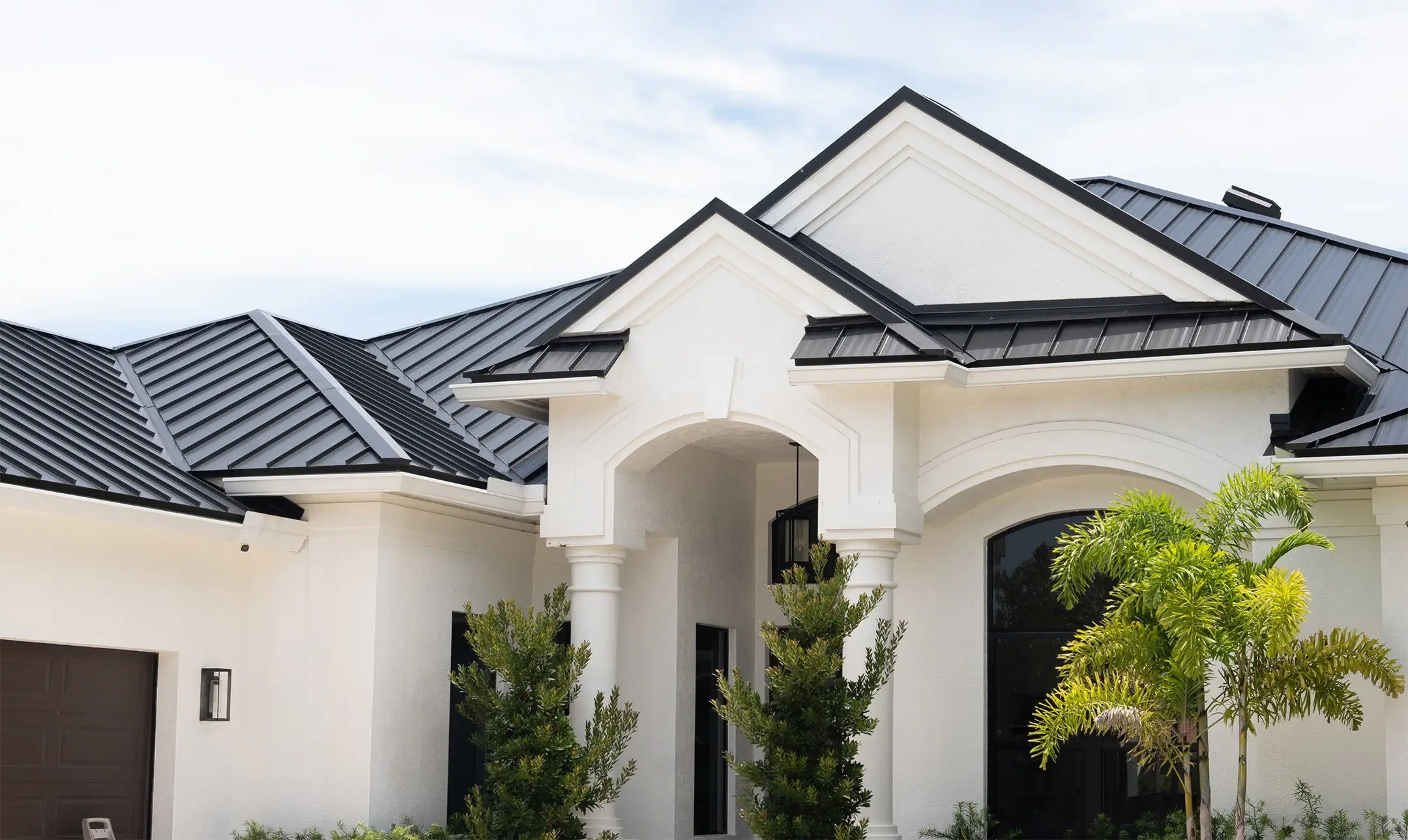
How Old Can a Roof Be for Insurance?
How old can a roof be for insurance: see what Florida insurers check. Type your address to see your roof age and records the way an insurer sees them. Free, no signup.
Carriers draw their own lines, and Florida law draws none for them. The roof date they work from comes off the county permit, or off the year the house was built when the county has no permit to show.
Talk to a roofer about your insurer.
Get an inspection your insurer will accept, or a plan if the roof needs work.
- 01Type the address.
- 02Leave a name and a phone number.
- 03Expect a call to schedule the visit.
The roof age limit in practice.
For shingle, expect questions in the mid-teens and a shrinking list of private carriers as the roof closes in on 20.
Past roughly 15 years, most carriers ask for a 4-point report before they bind or renew. Tile and metal meet the same treatment much later, typically in their thirties.
Inside that pattern, each carrier picks its own cutoff.
Older shingle roofs and SB 2-D.
The 2022 reforms gave shingle roofs past 15 years a defense. If an authorized inspector finds half a decade or more of useful life still in the roof, the insurer generally cannot refuse coverage over the roof's age by itself.
Homes that still struggle in the private market may end up with Citizens, or with a policy that leans on wind mitigation.
- Wind mitigation form. OIR-B1-1802 scores seven wind features. Your insurer needs it completed by a qualified inspector before any credit applies.
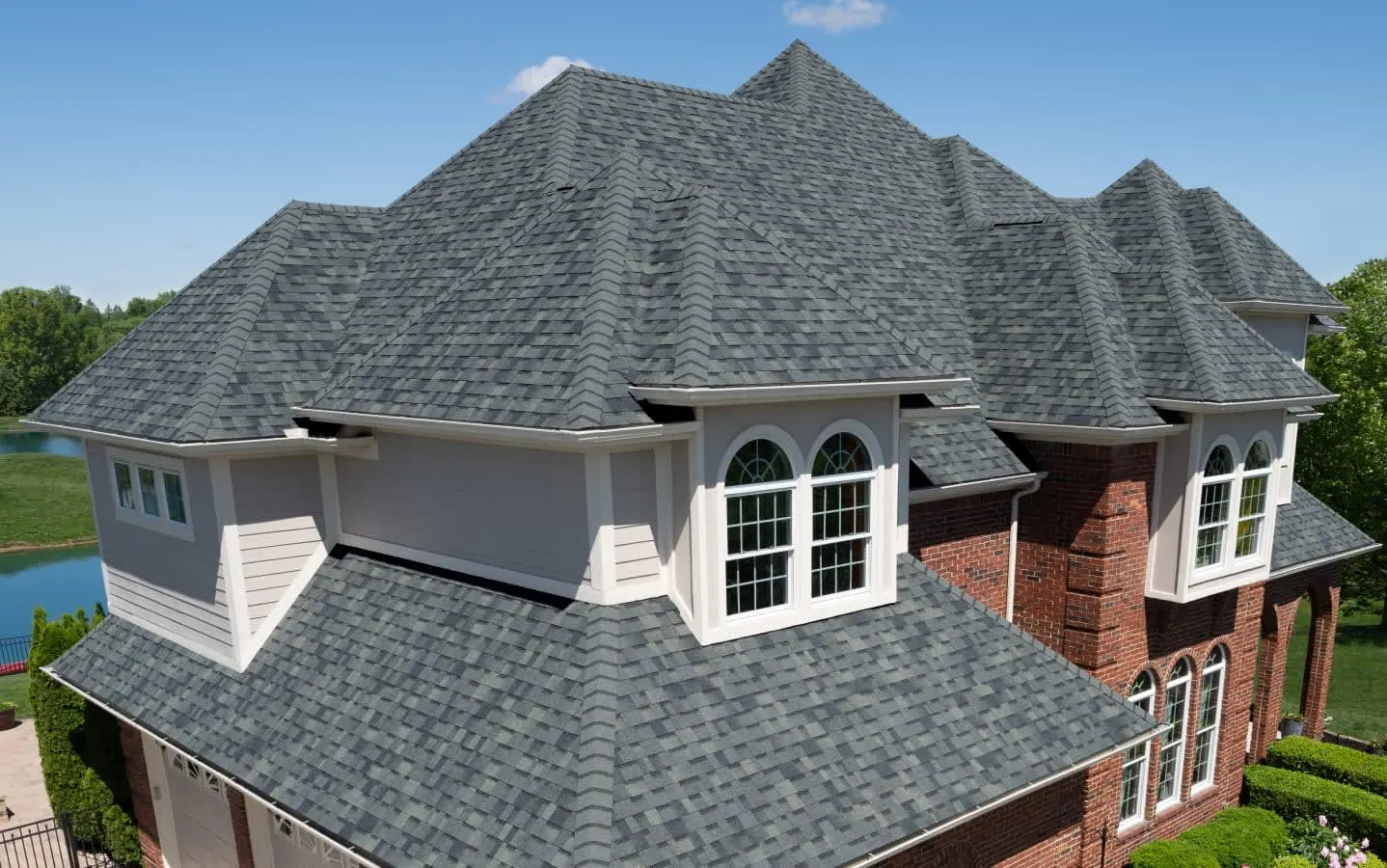
- Roof shape on the form. A hip roof scores better than a gable roof.
Steps to take before your insurance renewal.
Start before the renewal notice lands in the mail.
- 01
Look up the roof date
Type your address and see if the age is tied to a permit or estimated.
- 02
Chase the permit
If you re-roofed and the report shows an estimate, get the permit and send a copy to your agent.
- 03
Book the inspection
A 4-point report gives the carrier more to go on than a year. Pricing comes from the partner inspector at booking.
- 04
Price a replacement
Near the end of the roof's life, the estimator gives a budget range and routes quote requests to partner Florida roofers.
Common questions.
It depends on the carrier and the material. For shingle, the private market gets thin around 20 years, and homes in that spot may move to Citizens or a policy built on wind mitigation credits. A 20-year-old tile or metal roof sits earlier on its curve, and carriers treat it with less concern.
Only when there is no replacement permit on file. In that case the carrier usually assumes the roof is original to the house. When a re-roof permit exists, that permit date becomes the roof's age, and your roof report shows which of the two applies to your address.
It can lower the premium, though it does not change the roof's age. A home that went up under the 2002 Florida Building Code, or any later edition, usually earns credits, and an older home often gets there with modest retrofits. The insurer applies them once a qualified inspector completes form OIR-B1-1802.
The re-roof permit is the proof carriers accept. Type your address to see whether the report already shows a permit-backed age; statewide, 58% of roof ages on record carry one. If yours shows an estimate after a replacement, pull the permit from the county building department and give it to your agent.
A new permitted roof resets the age every carrier reads and gives each one a fresh date to judge. Cost is the other half of the decision: in 2026 Florida pricing, a 2,000 sq ft architectural shingle roof runs about $8,220 to $13,820 installed. The estimator prices your measured roof before you decide.