

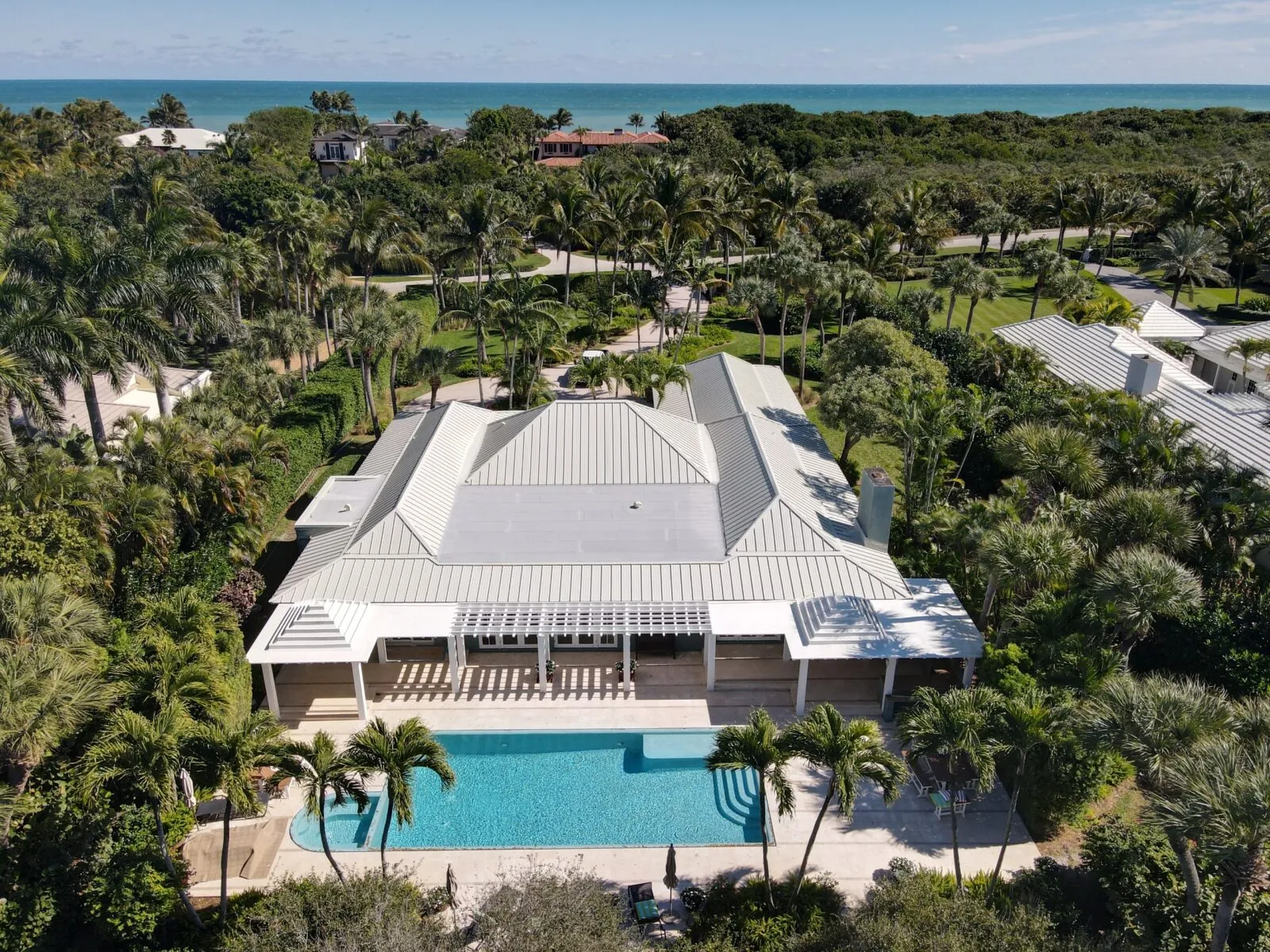
How to Determine Age of Roof for Insurance.
How to determine age of roof for insurance: see what Florida insurers check. Type your address to see your roof age and records the way an insurer sees them. Free, no signup.
Florida insurers take roof age from paperwork, and the latest county re-roof permit is the date they lean on. Type your address and the report shows that permit date, or an estimate labeled as one when the county has no permit.
Talk to a roofer about your insurer.
Get an inspection your insurer will accept, or a plan if the roof needs work.
- 01Type the address.
- 02Leave a name and a phone number.
- 03Expect a call to schedule the visit.
How a roof age gets set.
Permit first, then the house record.
Each source below dates a roof with a different level of confidence.
County re-roof permit
The newest roofing permit on file fixes the date. Permits date 58% of the roofs in the site's statewide records.
Year built and assessor data
With no permit, the report works the age out from these and calls it an estimate.
Your own paperwork
A permit number or a signed roofing contract can correct a record that runs too old.
An authorized inspection
It puts the roof's condition and remaining useful life in writing for the carrier.
When the permit is missing.
If you replaced the roof and the report shows an estimate, the permit may be missing from the public records the lookup reads.
Track down the permit number or the signed contract, and get it to your agent ahead of renewal.
Miami's roofs on record average 29 years, against 13 in Tampa and 14 in Orlando. Those averages come from the same permit and assessor data.
- Permit on file. The report shows the permit date, the same anchor the carrier reads.
- Estimate on file. Gather your paperwork before the carrier asks.
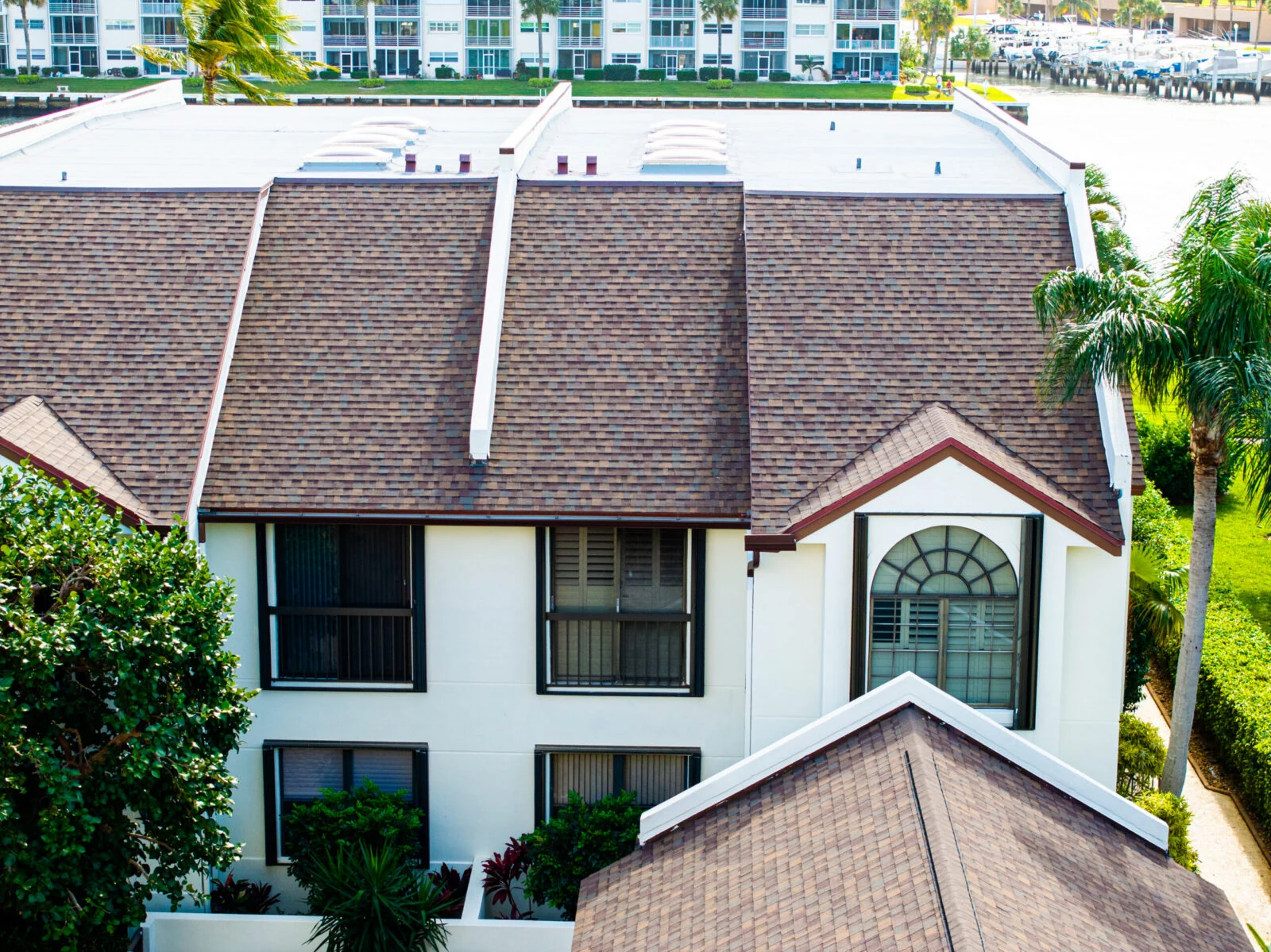
Permit-backed roof ages by city.
A higher permit share means more roofs dated from the job itself. Orlando leads the three metros on that count, and Miami trails.
| Orlando | 79% of roof ages permit-backed |
| Tampa | 61% permit-backed |
| Miami | 56% permit-backed |
| Florida overall | 58% permit-backed across 7,344,126 roofs |
| No permit at all | Carriers tend to count the roof as old as the house |
Common questions.
Underwriters read records rather than climbing up to look. The newest county re-roof permit for the address is the first thing they check, and with no permit on file they fall back on the year the house was built. The free report shows which of those two cases applies to your home.
Yes. Hand your agent the re-roof permit number, or the signed contract from the company that did the work. An authorized inspection adds the roof's condition and remaining life in writing, which gives the carrier more than a single date to go on at renewal.
Somewhere past 15 years, most carriers in Florida expect a 4-point report before they will write or renew. The 2022 reforms add a backstop for shingle roofs: if an authorized inspection shows the roof has 5 or more useful years left, age by itself generally cannot be the reason a carrier says no.
The report draws on public permit and assessor records, the same kind of source underwriters read. When a permit backs the age, the report shows it; when the age is worked out from the year built, the report labels it an estimate. Your insurer may hold paperwork that the public records lack.
They do. Shingle starts drawing carrier attention in the mid-teens and private-market choices shrink near 20 years, while tile and metal hit those stages later, with scrutiny tending to arrive in their thirties. No Florida statute sets a top age for any covering; each carrier sets its own.
Yes. Open the budget estimator and it locates the house, sizes the roof from overhead imagery and gives an installed-cost range at no charge. If the numbers point toward replacing, the quote request you send from there goes to partner Florida roofers, who answer with pricing for the job.