

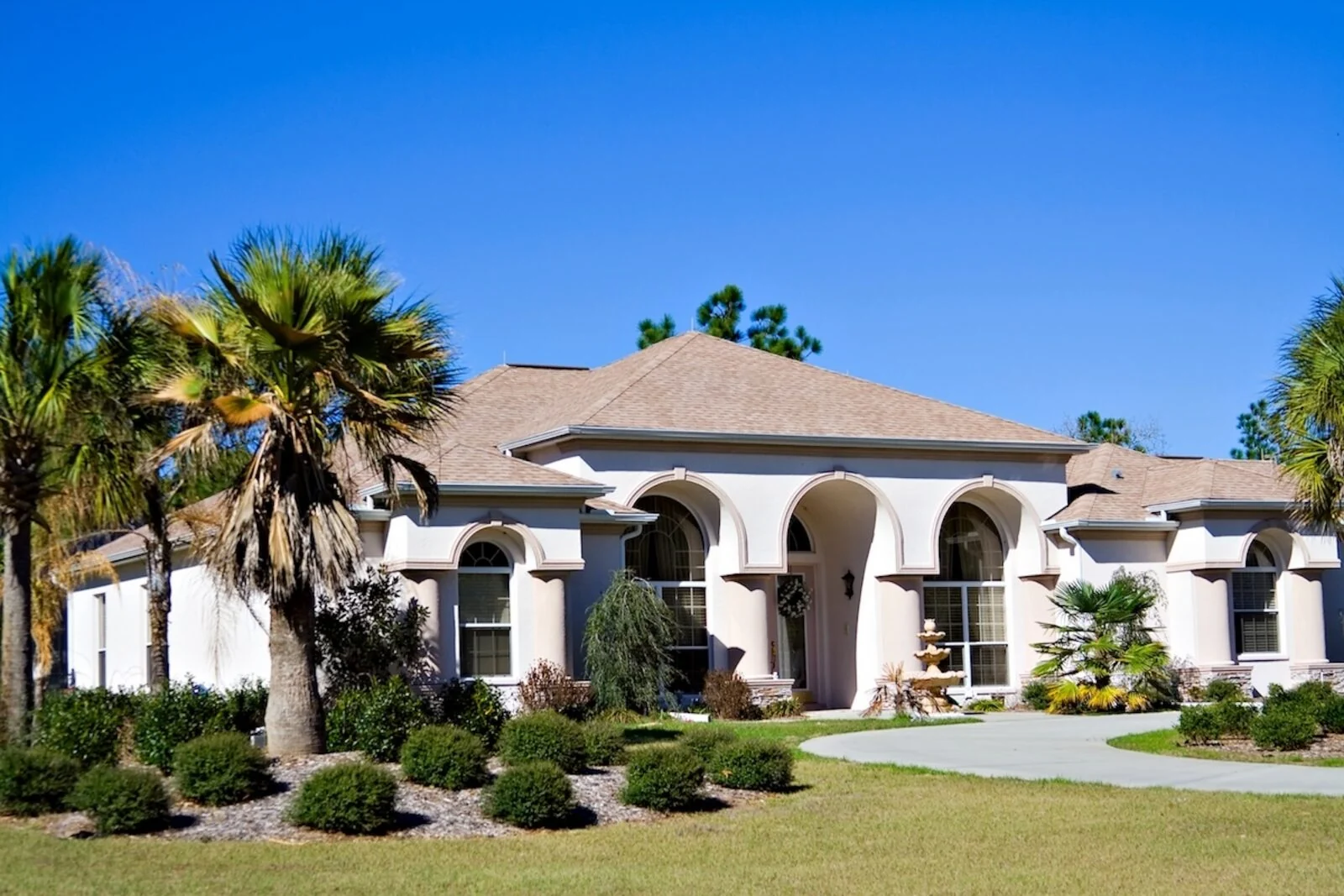
How to Determine Age of Roof.
How to determine age of roof: type any Florida address and get the roof age from county permit records in seconds. Free, no signup.
Roof age is settled by records first: the latest re-roof permit gives a firm year, and the year the house was built is the fallback. The report applies both rules and tells you which one it used.
Permit date or estimate.
A re-roof permit fixes the year your current roof went on, and that is the high-confidence answer.
With no permit to go on, the report works from the year built and assessor records. It shows the result as an estimate.
- Permit-backed. 58% of the roof ages on record statewide, each tied to an actual replacement.
- Estimated. The remaining roofs on record, labeled on the report so you can tell the two apart.
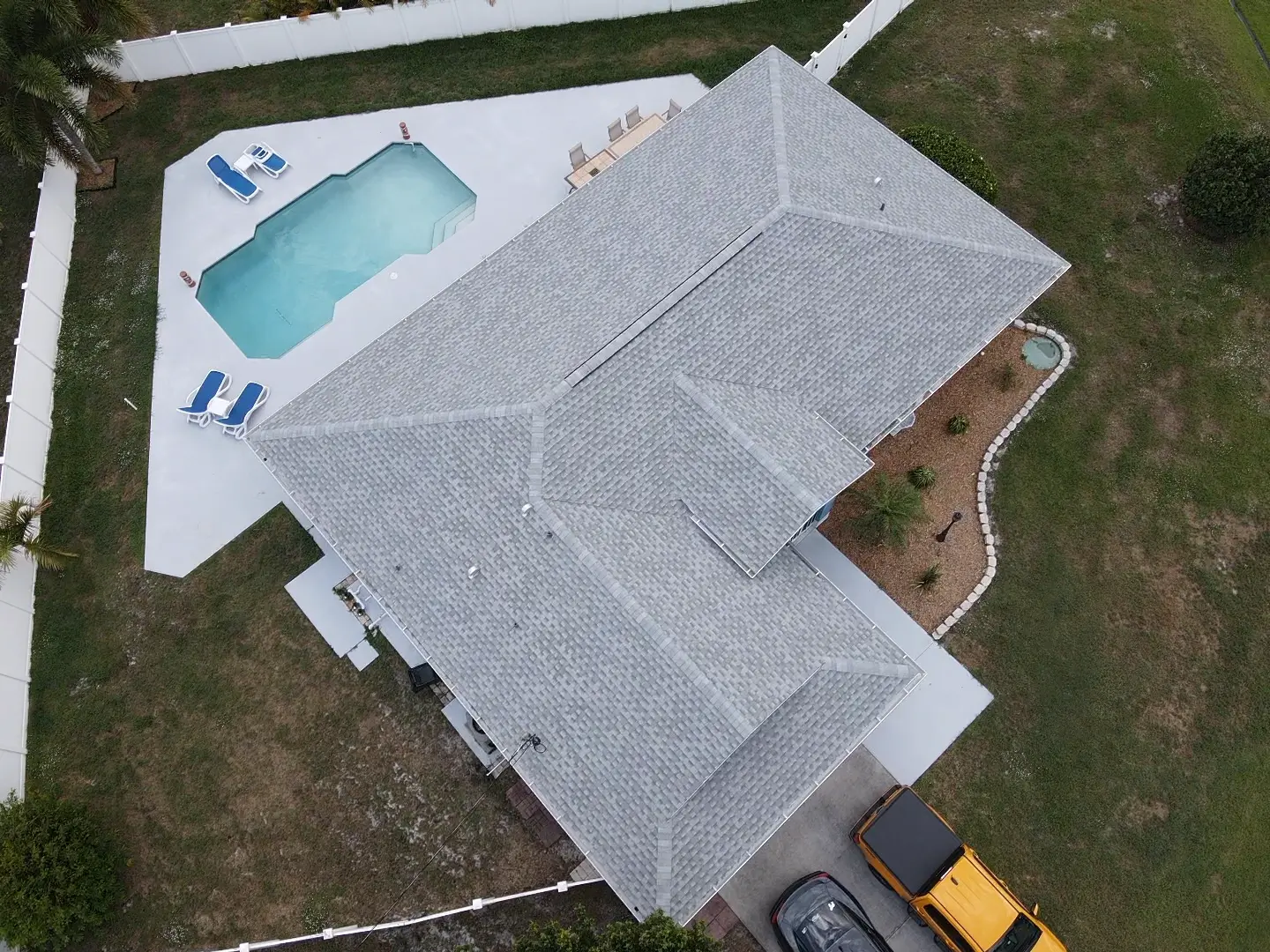
Records that change the answer.
Check these against the year on your report.
A single year on a report can shift once you add what you know about the house.
A later permit
Any re-roof permit filed after the house was built moves the roof's year forward to that date.
Your roofer's paperwork
A contract or permit copy can back up a replacement the county record missed.
Material on record
Florida asphalt shingle typically gives 15 to 20 years, and tile and metal run longer. The same number of years uses up less of a tile roof's life.
No permit means house age.
Without a county replacement permit, a Florida roof usually takes on the age of the house it sits on.
A newer roof put on without a permit can still read as old as the house on paper. Carriers see that gap at renewal, and you can see it first.
Type your address to find out which case applies to your roof, then gather any paperwork that proves a later replacement.
Common questions.
The report estimates it from the year the house was built and from assessor records, then labels the result as an estimate. If you replaced the roof, the roofer's contract or a permit copy is the paperwork that can correct the record. Keep a copy with your insurance documents for the next renewal.
Only when no re-roof permit is on file. A permit dates the roof from its replacement, which can come decades after the house went up. Without one, carriers usually treat roof and house as the same age, and the report shows that figure as an estimate in place of a permit date.
Less reliable than a permit date, which is why the report labels it. The estimate leans on the year built and assessor records, and those cannot see a replacement nobody permitted. A permit-backed age ties to the actual re-roof and carries more weight when a carrier reviews the house.
Roof age carries a lot of weight, though Florida has no statute capping it and insurers each decide how old is too old for them. On shingle, the questions start in the mid-teens. Tile and metal run on a longer clock and reach that point typically in their thirties.
Of the 7,344,126 Florida roofs on record across all 67 counties, 58% have an age dated from the actual re-roof permit. The rest are estimates from the year built and assessor records, each labeled on its report. Your address falls into one group or the other, and the report says which.