

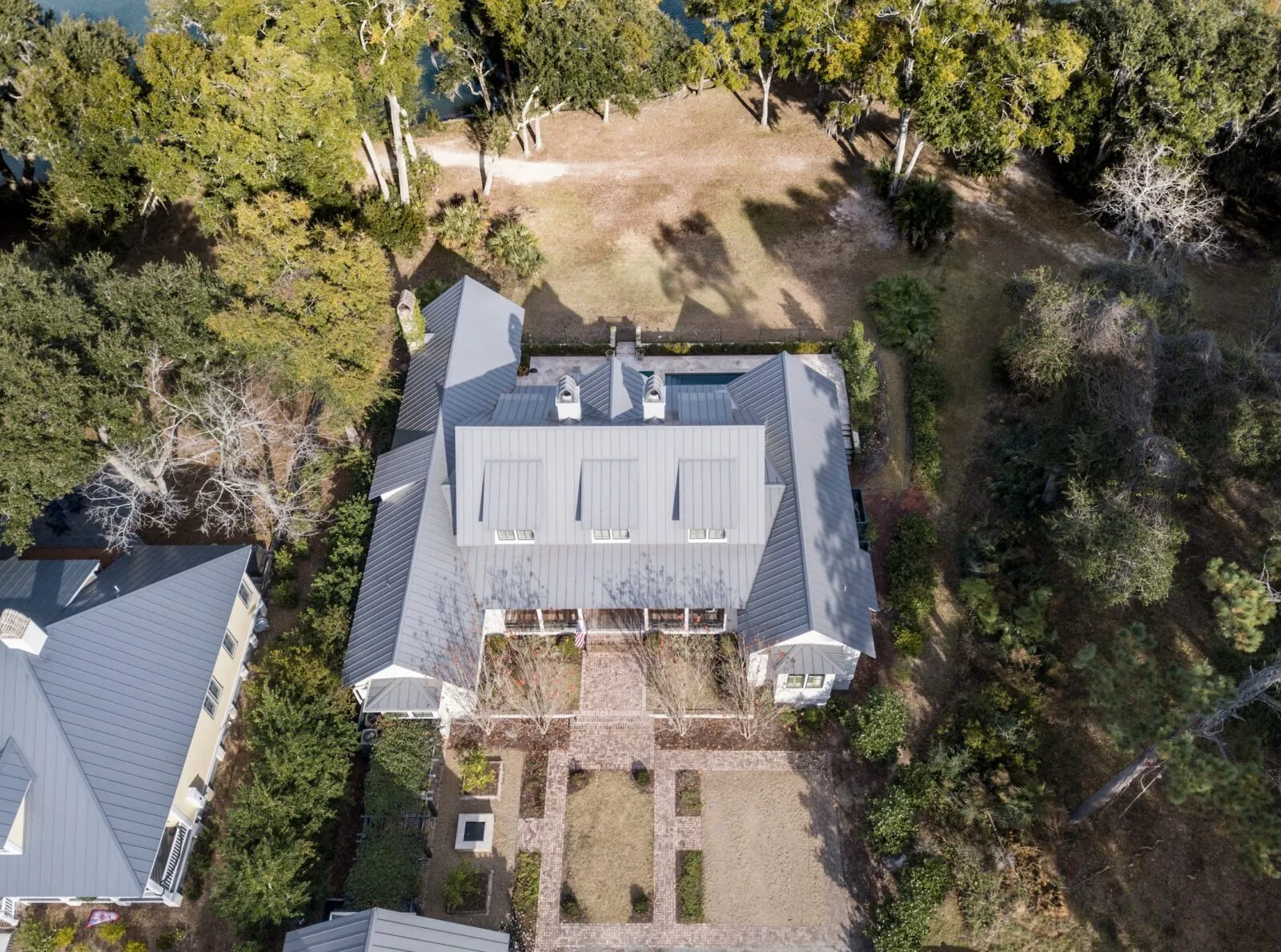
How to File a Roof Insurance Claim.
How to file a roof insurance claim: see what Florida insurers check. Type your address to see your roof age and records the way an insurer sees them. Free, no signup.
A Florida roof claim runs on a clock that starts on the date of loss. Before you call your carrier, pull the file it will check: the roof age, the permit behind that age and the storms logged for your house.
The roof claim deadline.
Both limits count from the date of loss.
In Florida you have 1 year after the loss to report a new claim, or to reopen an old one.
A supplemental claim, added later on the same loss, gets 18 months. Both limits come from the 2022 reforms known as SB 2-A.
That same law took assignment of benefits off the table for residential policies issued from January 1, 2023. On those, you file the claim yourself.
What to have on file.
Your carrier weighs the claim against the roof's recorded age and history.
Read those lines first in the free roof report, before anyone else frames them for you.
- Roof age and its source. Either a permit date or an estimate from assessor data, labeled as such.
- Storm history. Named hurricanes and tropical systems on record for the address, and hail spotted within 5 miles.
- Material and roof score. The covering on record, which should match what you describe in the claim.
How to file a roof claim.
Four steps, in this order.
- 01
Write down the date of loss
The day of the storm, or the day you found the leak. Keep any photos with it.
- 02
Pull the roof report
Type your address and save the age, its permit source and the storm list.
- 03
Contact your insurer
Report the loss and give the date, well inside the 1-year window.
- 04
Get a repair or replacement quote
Start one in the estimator; it goes to partner Florida roofers for pricing, and you hold a figure of your own.
Common questions.
That depends on how your policy pays, which the loss settlement terms spell out. Under replacement cost value, the insurer funds a new roof. Under actual cash value, the check shrinks by depreciation for the roof's age and wear, which bites harder the older the roof is.
It can, through Florida's 25% rule: fix or replace over a quarter of the roof in a 12-month span and the untouched part must come up to current code too. Since 2022, roofs already built to the 2007 code edition or newer are exempt, and the repair covers the damage alone.
No. Pulling the record is free in every one of Florida's 67 counties, and there is no account to make. Besides the age and its source, the report covers the FEMA flood zone, the storm-surge evacuation zone, the design wind speed, the material, a roof score and the storm history.
A quote gives you a number of your own to hold beside the adjuster's. In the estimator, the roof is sized from aerial imagery and priced as a free installed-cost range, and a quote request there reaches partner Florida roofers. Both help you tell whether a settlement figure looks thin.
Florida law sets no maximum roof age; each carrier decides. SB 2-D generally blocks refusal or non-renewal based on shingle age over 15 years by itself, provided the roof passes an authorized inspection showing 5-plus years of useful life. The age line in your report shows how close to that test your roof sits.
The day the damage happened, such as the day a named storm came through. The deadlines in the section above count from it. The storm history in the roof report lists the named systems on record for your address, which helps you pin that date down before you call.