

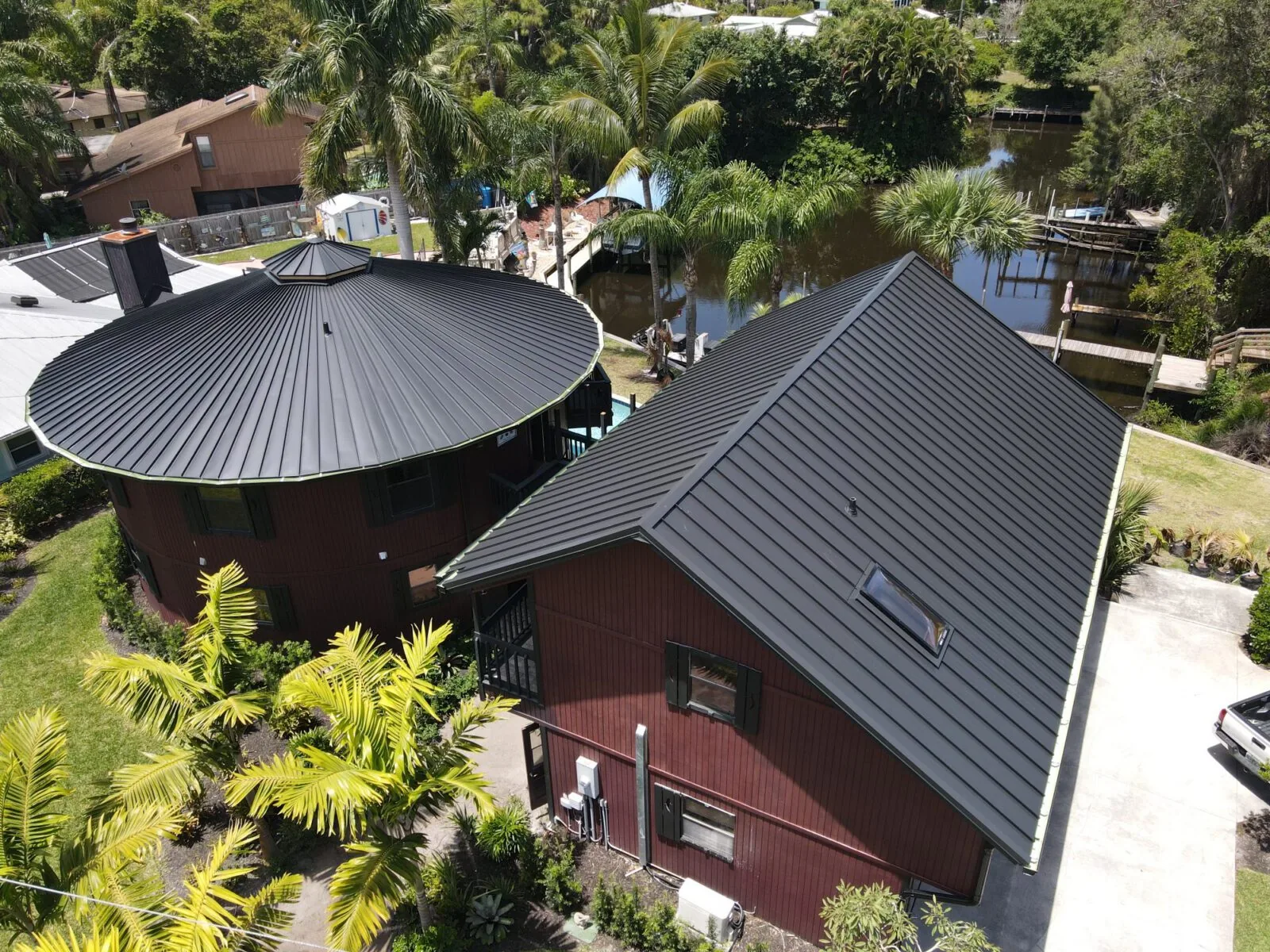
How to Find Age of Roof.
How to find age of roof: type any Florida address and get the roof age from county permit records in seconds. Free, no signup.
A roof's age comes from its latest re-roof permit if the county has one. If it does not, the report builds an estimate from county assessor data and the year the house went up, and says so.
The roof age answer.
Statewide, 58% of the ages on record trace to a real re-roof permit. The rest are estimates, and the report marks each one.
Your carrier reads the same file. Without a replacement permit, a roof is usually aged along with the house.
Re-roofed but showing an estimate? The permit or your roofer's paperwork is the date to hand your carrier, and your proof if the public file is behind.
Permit date or estimate.
Every roof age in the report carries its source right next to the number.
Check that label before you quote the age to an insurer or a buyer.
- Permit-backed. Dated from the latest re-roof permit on file, the firm anchor for the age.
- Estimated. Worked out from assessor records and the year built, used when no permit turns up.
- Your own papers. A roofer's invoice or the permit paperwork can confirm an estimate or correct it.
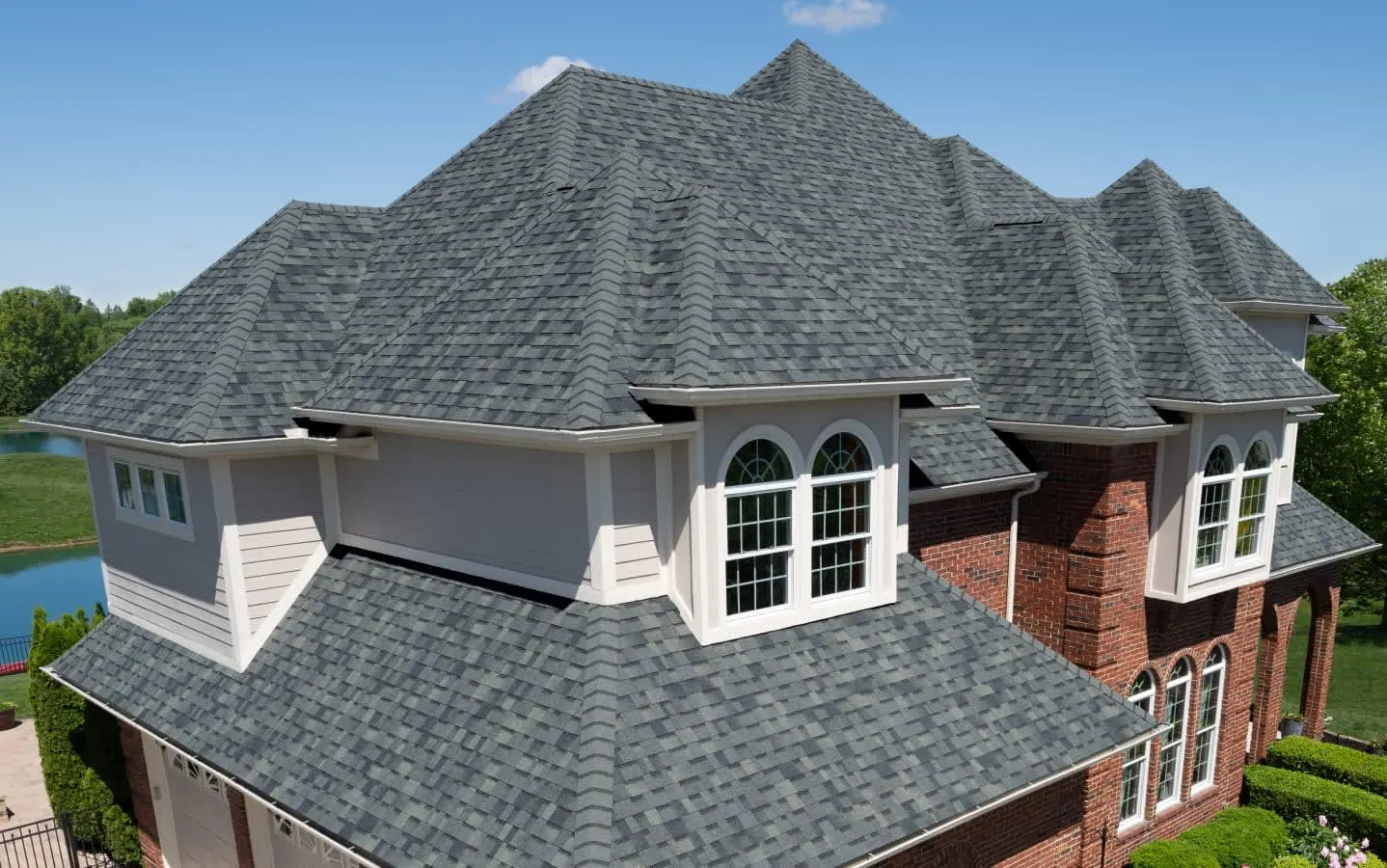
How to find your roof age.
Four steps, starting with a free lookup.
- 01
Type the address
Enter any Florida house, in any of the 67 counties. No account is needed.
- 02
Read the age and its label
Note whether the figure is permit-backed or estimated.
- 03
Set it against Florida life spans
Shingle gives about 15 to 20 years in this climate, and tile and metal go longer.
- 04
Get a replacement quote
Close to the end of its life span? Ask for a quote in the estimator, which passes it to partner Florida roofers.
Common questions.
Without a permit, the report falls back on assessor data and the year of construction, and flags the result. Your own records can do better: a roofer's invoice, the contract or closing papers that mention the roof. Carriers will usually treat an unpermitted roof as old as the house until you show otherwise.
Age is the first line Florida carriers weigh on a roof, ahead of condition and material. Past the 15-year mark, most require a 4-point inspection to write or renew, and on shingle the private market thins out sharply near 20 years.
The law gives no number; each carrier draws its own line. Under SB 2-D, an insurer generally cannot refuse or non-renew a policy for shingle age over 15 years on its own if an authorized inspection shows 5 or more years of useful life left. Tile and metal draw scrutiny later, in their thirties.
Yes, for any of the 7,344,126 Florida roofs on record, with no signup. Next to the age and its source, the same report gives storm history, design wind speed, roof score and material, along with the flood and evacuation zones for the address.
An estimate can miss, which is why the report labels it as one. A re-roof that still reads as an estimate can mean the permit is missing from the records the report draws on. Your permit or roofer's paperwork is what corrects it with your carrier.
It does once the re-roof permit reaches the county record, because the latest permit is what dates a roof. Keep your copy of the permit and the roofer's final paperwork. If the public record lags behind the work, those papers are what you show your carrier in the meantime.