

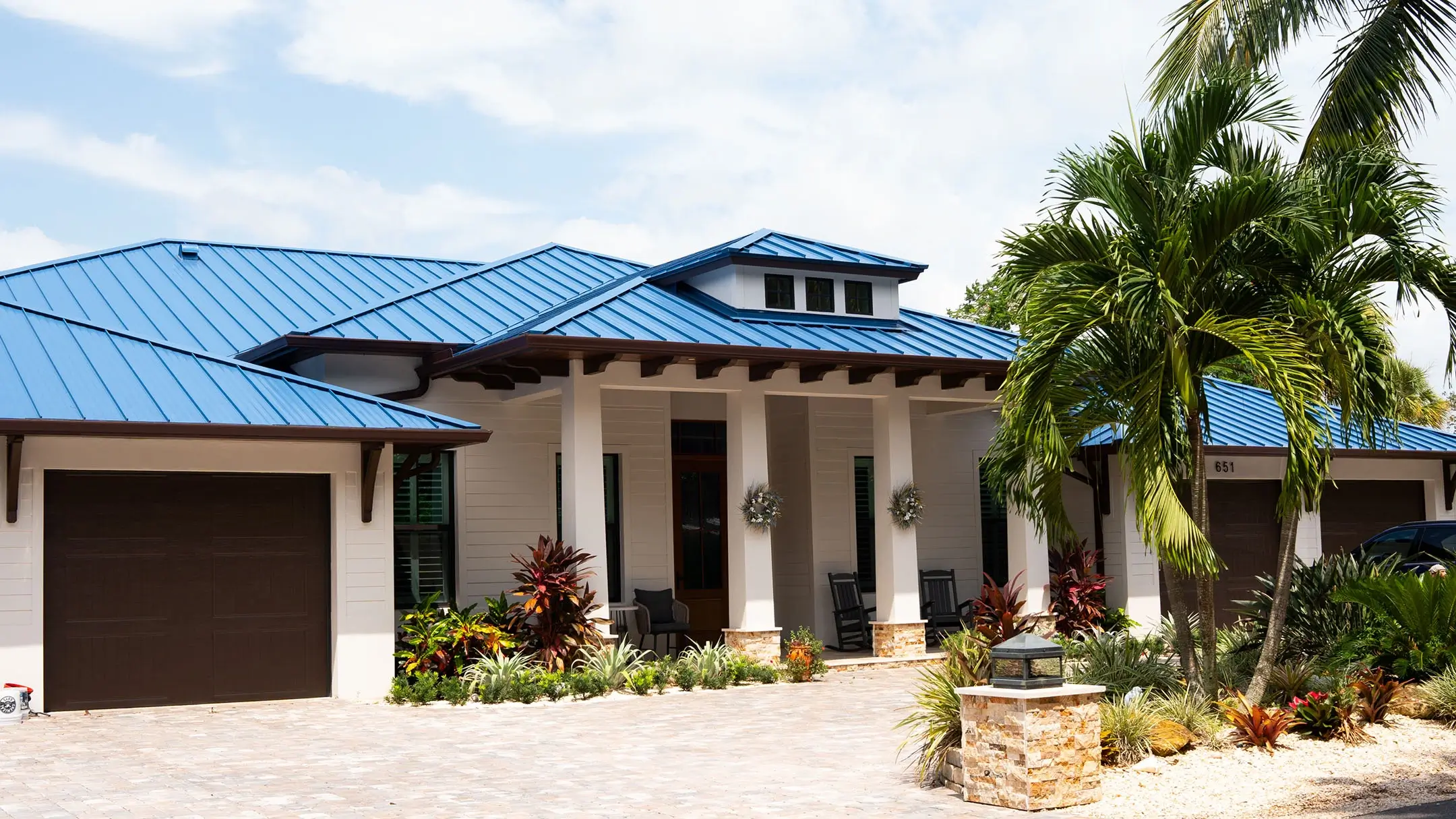
Roof Claim.
Roof claim: see what Florida insurers check. Type your address to see your roof age and records the way an insurer sees them. Free, no signup.
Two dates sit under every roof claim: the day of the loss and the year your roof went on. The report gives you the second one, dated by a county re-roof permit or flagged as an estimate where no permit exists.
Two dates on every roof claim.
One starts the clock. The other sets depreciation.
The loss date opens a 1-year window for a new or reopened claim, and an 18-month window for a supplemental one.
The roof date matters on the payout side, through depreciation on an actual cash value policy.
Your roof as the insurer reads it.
An adjuster looks at the roof. The file behind the claim is built from records.
Read the same records first, free and with no signup, and you start the claim knowing what the insurer will see.
- Permit date. Across Florida, a re-roof permit backs 58% of the roof ages on file.
- No permit. Without one, a roof is usually taken to be as old as the house.
- Material and storms. The roofing material on record, plus every named hurricane and tropical system on file near the address.
- Wind and water. Design wind speed, the FEMA flood zone and the lettered evacuation zone for storm surge.
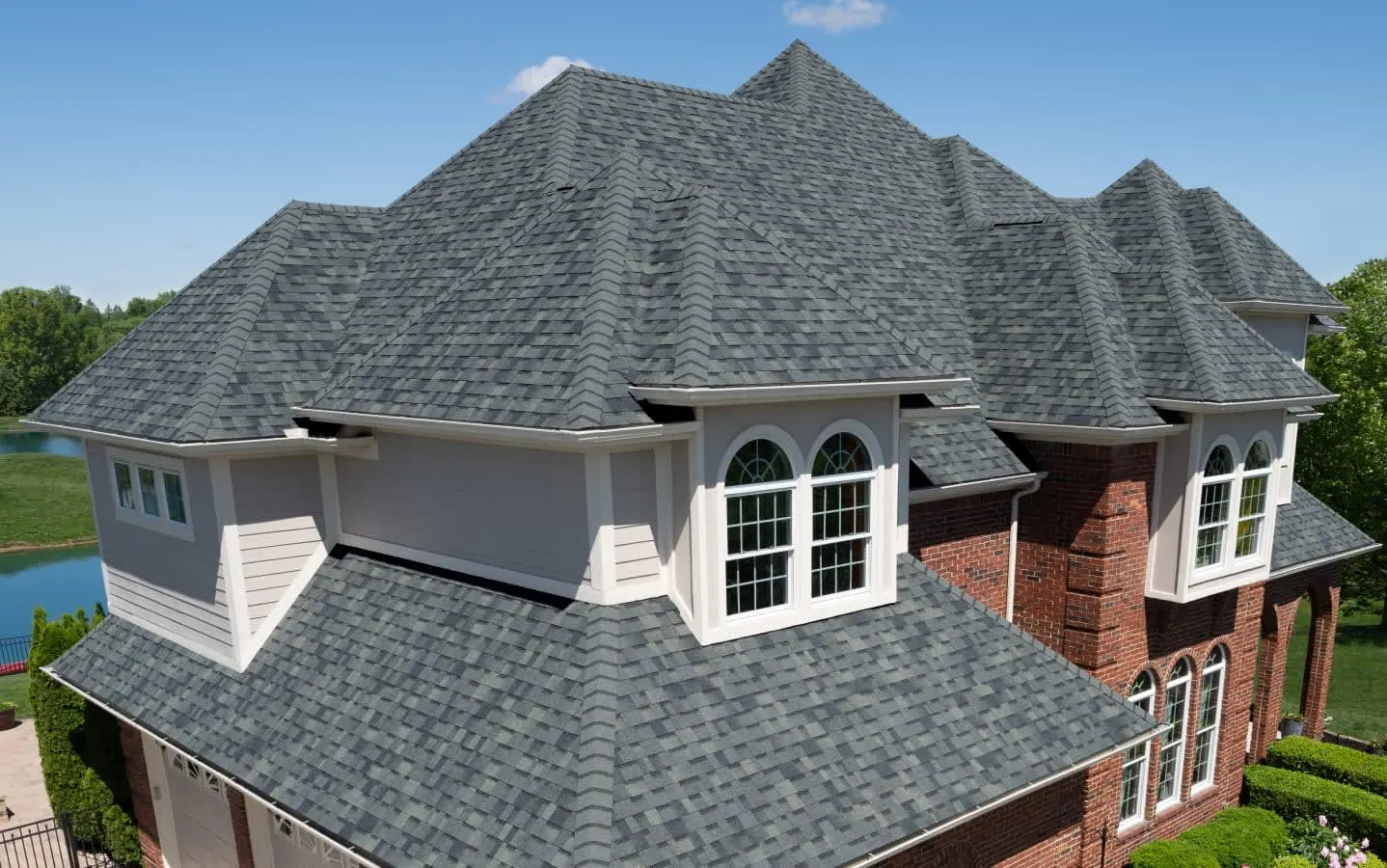
Steps for a roof claim.
Keep the order. The deadline comes first because it cannot be recovered.
- 01
Fix the date of loss
Write it down and keep photos dated to it.
- 02
Pull the roof report
Save the age, the permit status and the storm list for your file.
- 03
Keep the claim yours
On residential policies written since January 1, 2023, a roofer cannot take an assignment of benefits.
- 04
Price the replacement
Request a replacement quote through the estimator, sent to partner Florida roofers.
Common questions.
Have the date of loss, photos dated to it and your roof report, which shows the roof age, how it was dated and the named storms on record. A replacement quote from partner Florida roofers gives you the installed cost to compare against any offer. All of it fits in one folder before the adjuster calls.
Florida's repair rule is the starting point. Repair more than a quarter of the roof within a year and the untouched part must meet today's code too, unless the roof dates from the 2007 Florida Building Code onward, where a 2022 change limits the job to the damaged section. Your build year and the size of the damage decide which way it goes.
On an actual cash value policy, yes: depreciation for age and wear comes out before you are paid. A replacement cost value policy pays to replace. Check the roof age on record before the adjuster arrives, permit-dated or estimated.
Not on residential property policies that started on January 1, 2023 or later; Florida's SB 2-A took assignment of benefits off the table for them. The roofer can inspect and quote, and the claim stays with you as the policyholder. For an older policy, check its issue date and wording.
A quote tells you what a replacement costs installed, which gives you a figure to set beside the adjuster's number. The estimator sizes your roof off aerial imagery and hands back a free budget range. When you want firm numbers, it sends the request to partner Florida roofers.
The report shows which named hurricanes and tropical systems are on record for the address, along with roof age, material and roof score. Its hail record covers reports within 5 miles, and it cannot see damage. A roofer or adjuster on the roof documents what the storm did.