

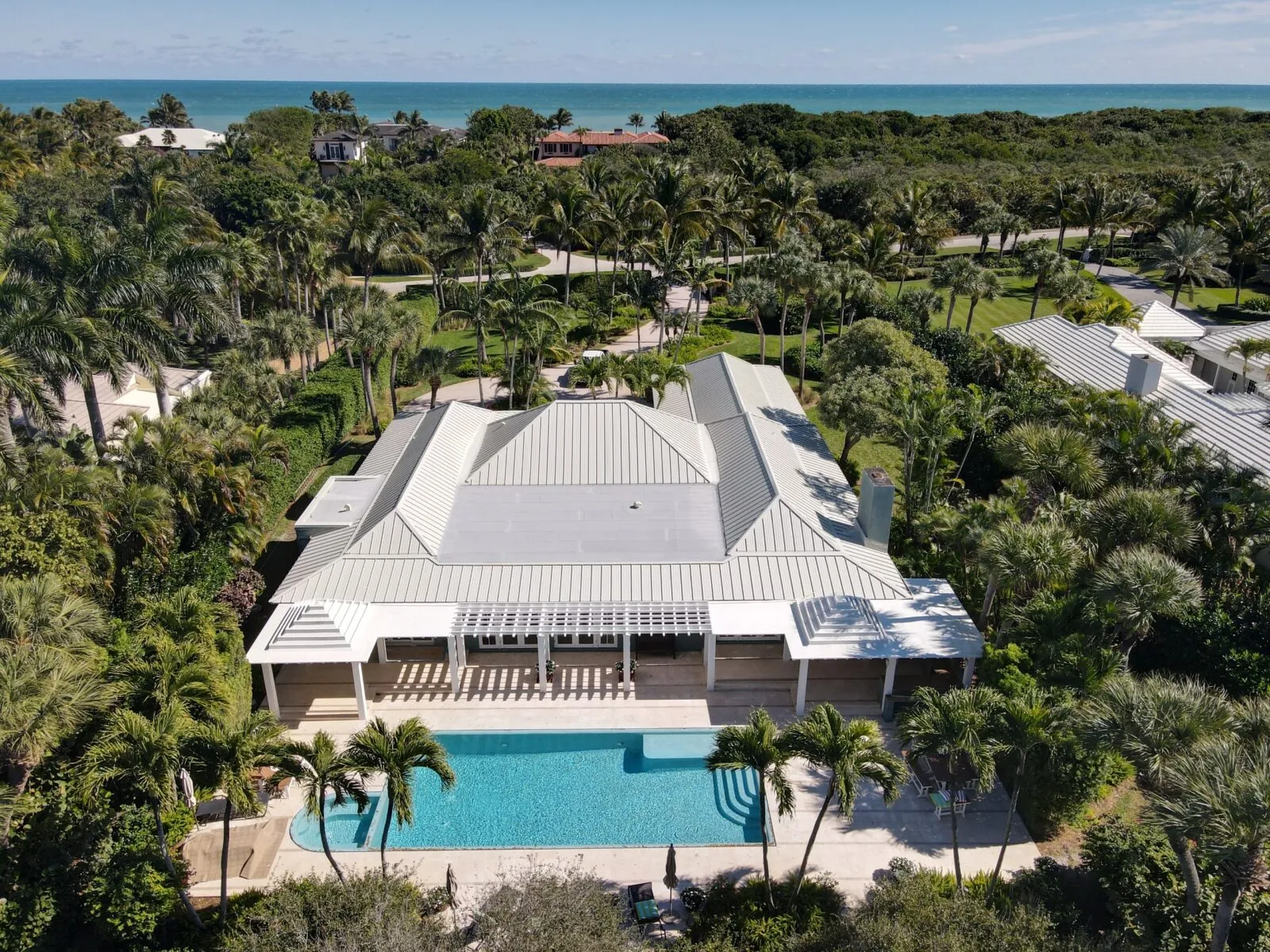
Roof Replacement Age.
Roof replacement age: type any Florida address and get the roof age from county permit records in seconds. Free, no signup.
Replacement age has two answers in Florida: the year the roof wears out, and the year your carrier stops writing it without questions. The table below sets out both clocks, and the lookup shows where your roof sits on them.
Roof replacement age by material.
Service life and insurer lines, side by side.
Shingle reaches both lines first, and on the insurance side tile and metal trail it by more than a decade.
| Asphalt shingle, service life | About 15 to 20 years in Florida, typically |
| Tile and metal, service life | Longer than shingle |
| Shingle, insurer scrutiny | Starts in the mid-teens; private market thins near 20 years |
| Tile and metal, insurer scrutiny | Typically in their thirties |
| Roofs older than about 15 | 4-point report requested by most carriers at write or renewal |
The age on record for your roof.
Your carrier goes by the date in the records. A re-roof permit sets that date, and a roof without one is usually counted from the year built.
A replaced roof with no permit on file can look older on paper than it is.
- Permit-backed. Dated from the actual re-roof permit, the stronger anchor.
- Estimated. Built from the year of construction plus county assessor data, with an estimate label on it.
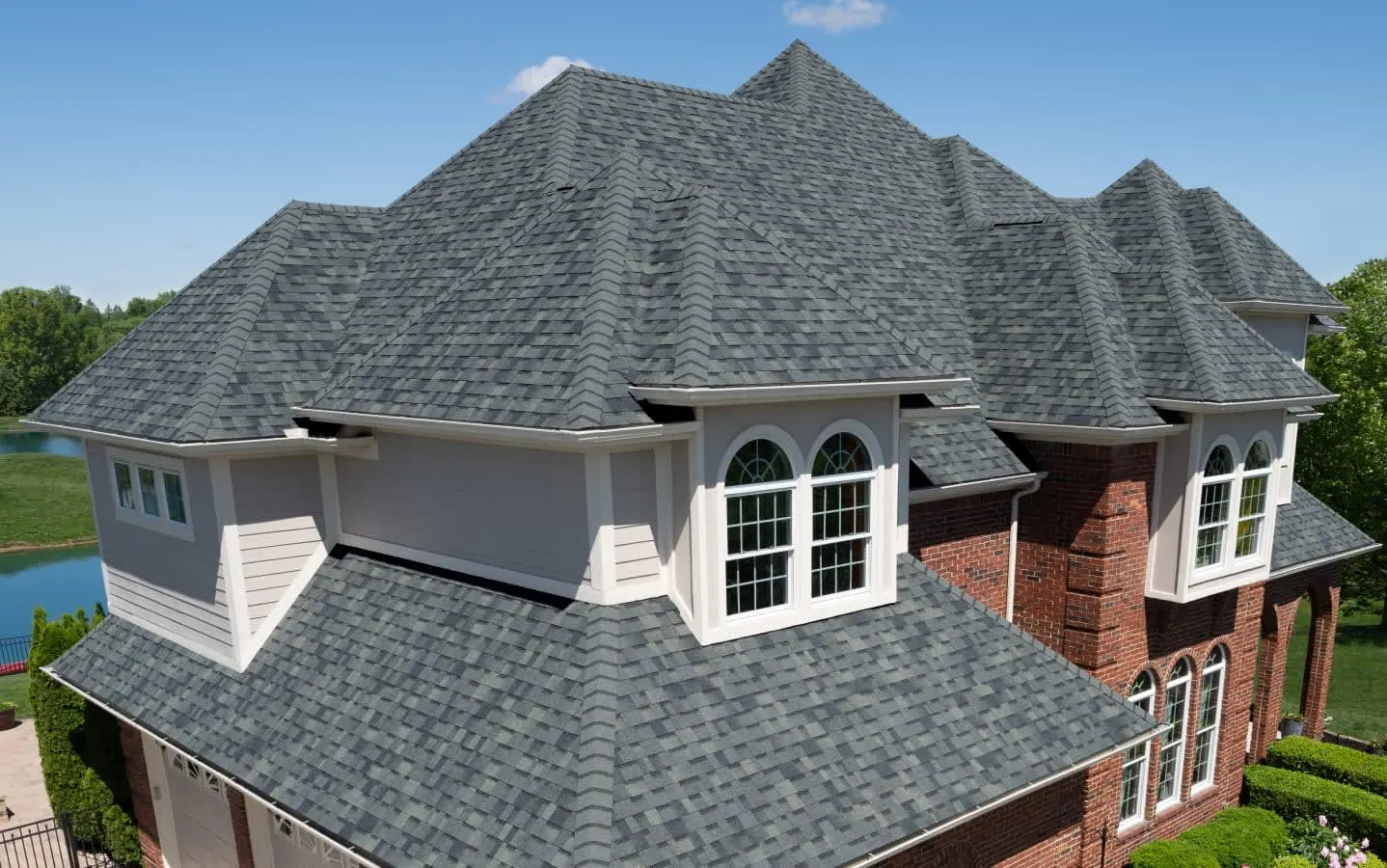
Options once a roof ages out.
A roof past the threshold still leaves you a few moves before a full replacement.
Remaining-life inspection
Under SB 2-D, a shingle roof over 15 years with an authorized inspection showing 5 or more years left is generally protected from refusal on age alone.
Wind mitigation credits
A qualified inspector completes form OIR-B1-1802, and insurers apply credits for features such as roof-to-wall attachment.
Replacement budget
The estimator measures your roof from aerial imagery and returns an installed range, free.
Common questions.
No. Florida has no statute capping how old a roof may be; carriers each set their own appetite. The 15-year mark matters because most carriers ask for a 4-point inspection past it, and SB 2-D limits how far an insurer can go on age alone for a shingle roof with useful life left.
For 2,500 sq ft of roof on 2026 Florida pricing, plan on $8,780 to $14,850 installed in asphalt shingle, or $10,280 to $17,280 in architectural. That covers labor and materials, tear-off with disposal, and the permit and its inspection. The estimator sizes your own roof for a closer range.
It gives carriers a new date to read. The permit pulled for the replacement becomes the roof's age on record, and age is the line item Florida carriers weigh first. Keep the permit and contract with your policy papers, and check that the new date shows up on your roof report.
It gets harder. Private carriers grow scarce for shingle roofs close to 20 years, and older houses can drift toward Citizens or toward coverage that hinges on wind mitigation credits. An inspection showing useful life left is a strong card to hold with any carrier.
It does: 67 counties and 7,344,126 roofs sit in the site's records, and the lookup is free with no signup. Each report marks whether the age came from a permit or from an estimate, which tells you how firm the date is before a carrier reads it.
That depends on the cause and on how your policy pays. Replacement cost value (RCV) pays to replace, while actual cash value (ACV) takes depreciation for age and wear off the top. On an ACV policy an older roof pays out less, which makes its age on record part of the claim.