

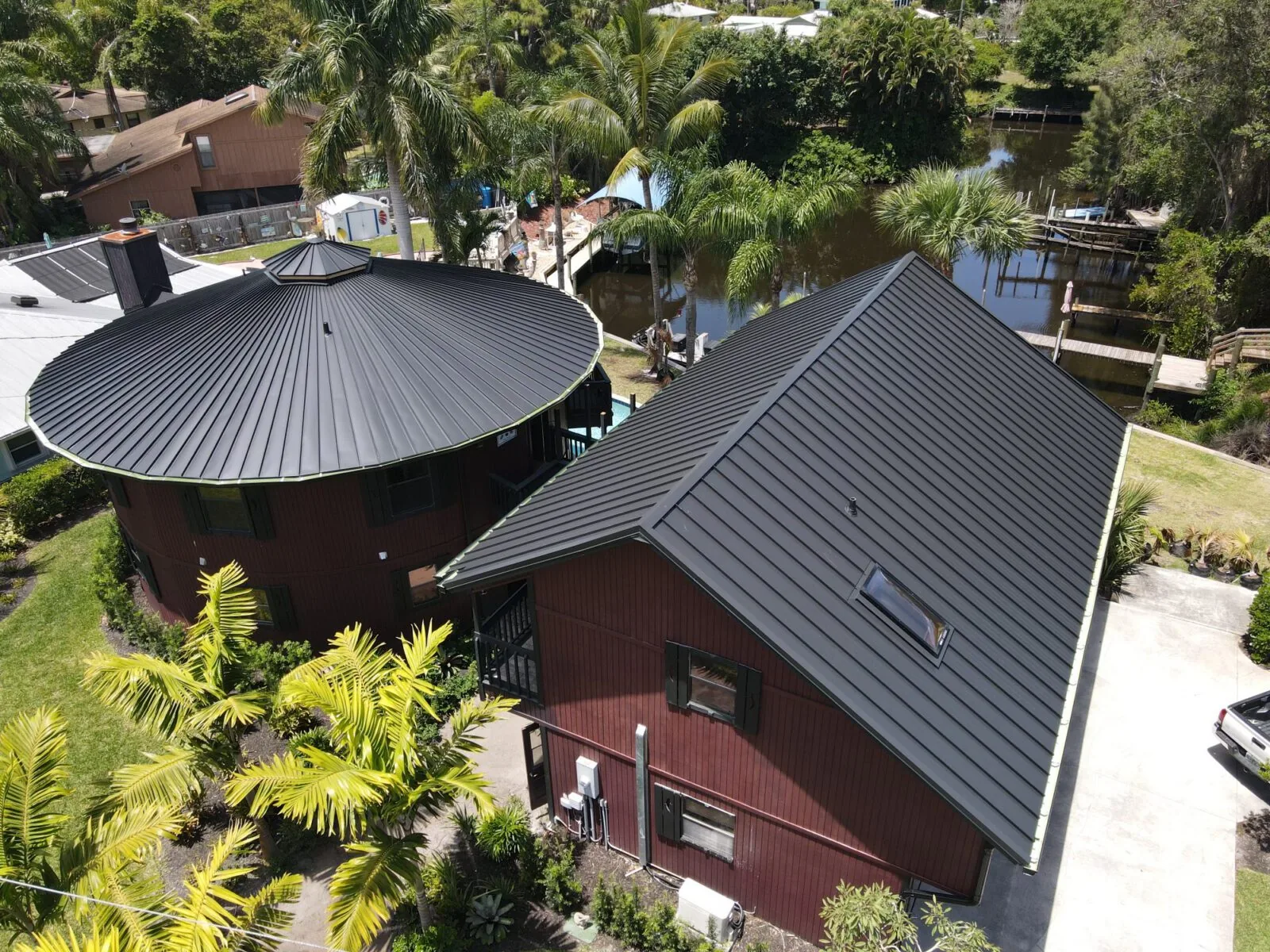
Roof Report for Insurance.
Roof report for insurance: see what Florida insurers check. Type your address to see your roof age and records the way an insurer sees them. Free, no signup.
Carriers judge a roof from records long before anyone climbs onto it. The roof report gathers those records for your address, with the roof age up top and a plain label on how it was dated.
Talk to a roofer about your insurer.
Get an inspection your insurer will accept, or a plan if the roof needs work.
- 01Type the address.
- 02Leave a name and a phone number.
- 03Expect a call to schedule the visit.
What an insurer reads in the report.
The same public records, for your address.
Each line of the report touches a question underwriters ask about a Florida home.
Roof age
The first line carriers weigh, ahead of condition and ahead of material.
Roof material
Shingle, tile and metal age on different clocks, and carriers know it.
Flood and surge
Which FEMA flood zone the lot sits in, and its storm-surge evacuation letter, A to E.
Wind and storms
The wind speed the house was designed for, and the named storms that passed it.
How the report dates your roof.
The newest re-roof permit sets the age when one is on file. Across the state, a permit backs 58% of the roof ages on record.
With no permit, the report falls back on the build year and the assessor's file, and says so.
Insurers tend to read a roof with no replacement permit as original to the house.
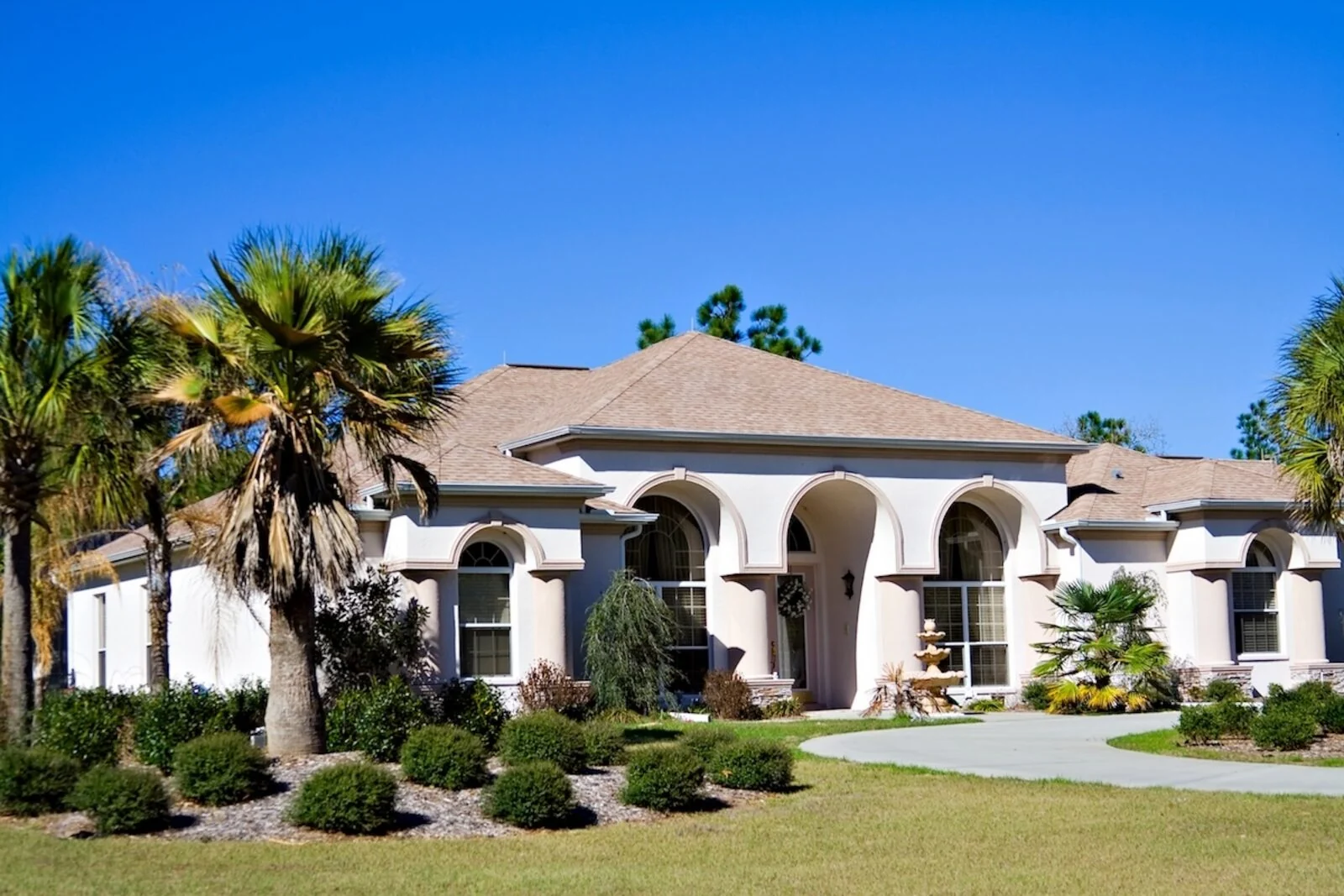
Roof age and Florida underwriting.
State law sets no roof-age ceiling. Carriers draw their own lines, and these are the points the site's insurability guide tracks.
| Shingle, mid-teens | Underwriters start looking harder |
| Any roof past about 15 years | A 4-point inspection becomes a standard request from most carriers |
| Shingle near 20 years | Private-market options thin out sharply |
| Tile and metal | Scrutiny arrives later, typically in their thirties |
| Shingle over 15 with 5+ years of life left | Since SB 2-D, age alone generally cannot block the policy, given an authorized inspection |
Common questions.
Carriers rely on inspection forms: the 4-point, and the state wind form (OIR-B1-1802), which a qualified inspector completes. The free roof report is a records check. It shows you the age, material and zones those forms get read alongside, before an inspector arrives.
The records report does not change a premium on its own. Wind credits come from the state form completed by a qualified inspector, and a house built to the 2002 code or a newer one is usually eligible. Read the report first to see whether your roof age makes that inspection a good next step.
Yes, the roof report labels every age it shows. An age marked permit-backed comes straight from the re-roof permit, while an estimated one rests on the build year and assessor data. A permit date is one an underwriter can check against county records.
Under SB 2-D, a carrier generally has to look past the age of a shingle roof over 15 years if an authorized inspector puts its remaining useful life at 5 years or more. Older homes may still get pushed toward Citizens or a policy that depends on wind mitigation credits. A replacement quote through the estimator shows what a new roof would cost.
Yes. The lookup covers all 67 Florida counties and 7,344,126 roofs on record, with no signup. Along with roof age and material, you get the roof score, storm history, wind speed rating, and the flood and evacuation zones for the address.