
Malarkey Vista AR Heather Shingles
Warm, architecturally bold roof color that flatters Mediterranean and Spanish builds.
See Heather on your house.
Opens the visualizer pre-loaded with this exact shingle. Swap to any other color once it is open.
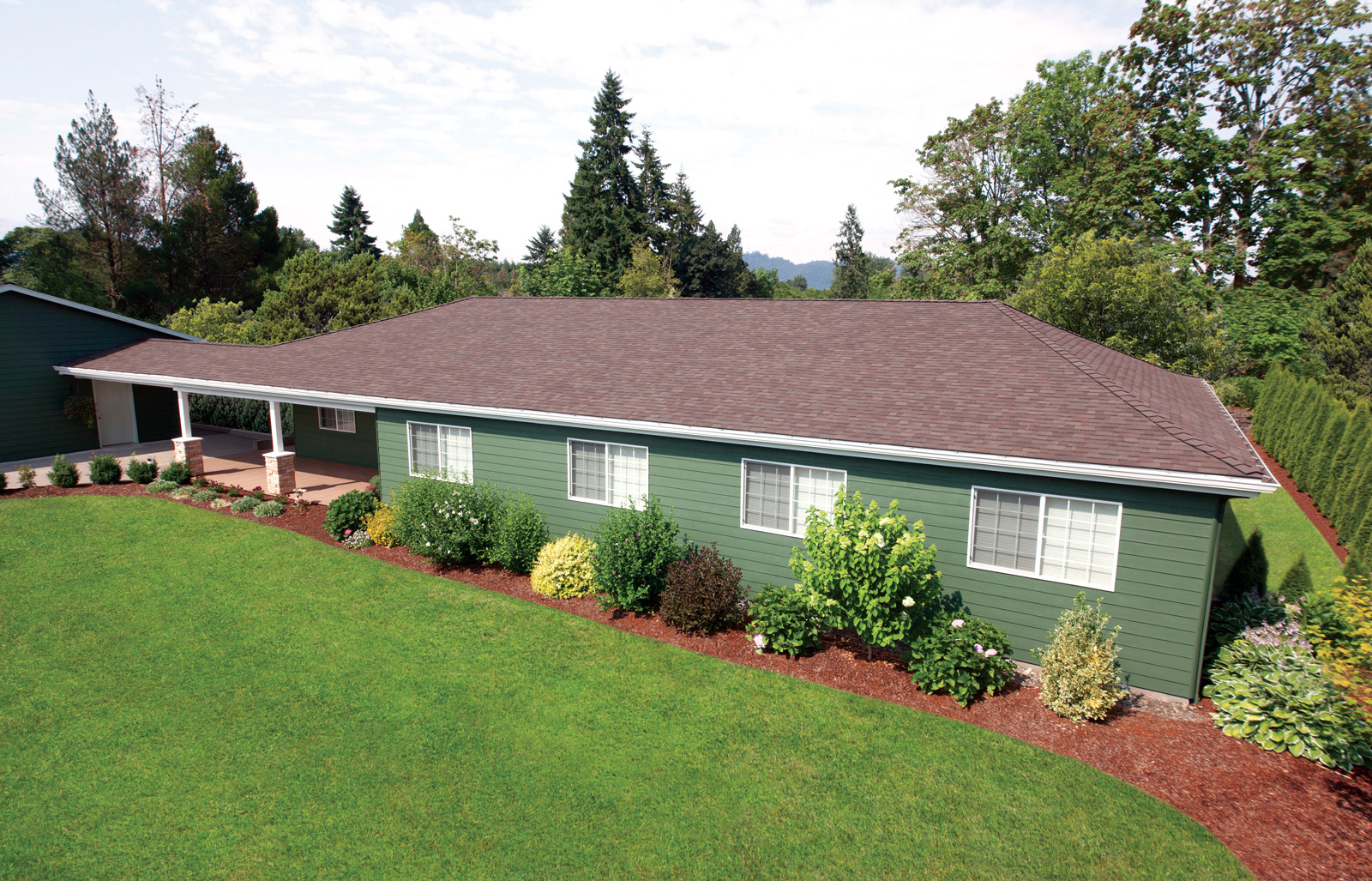
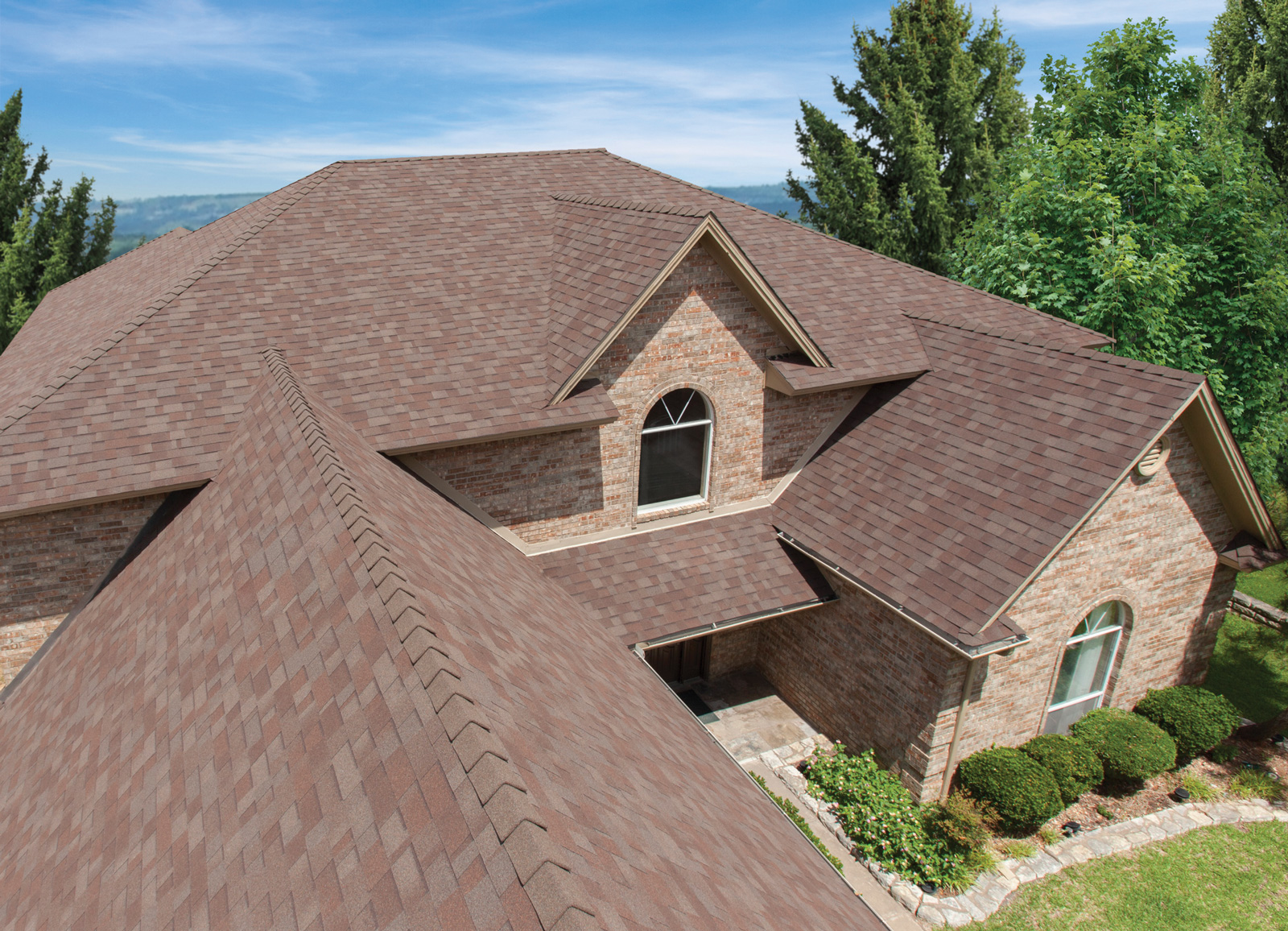
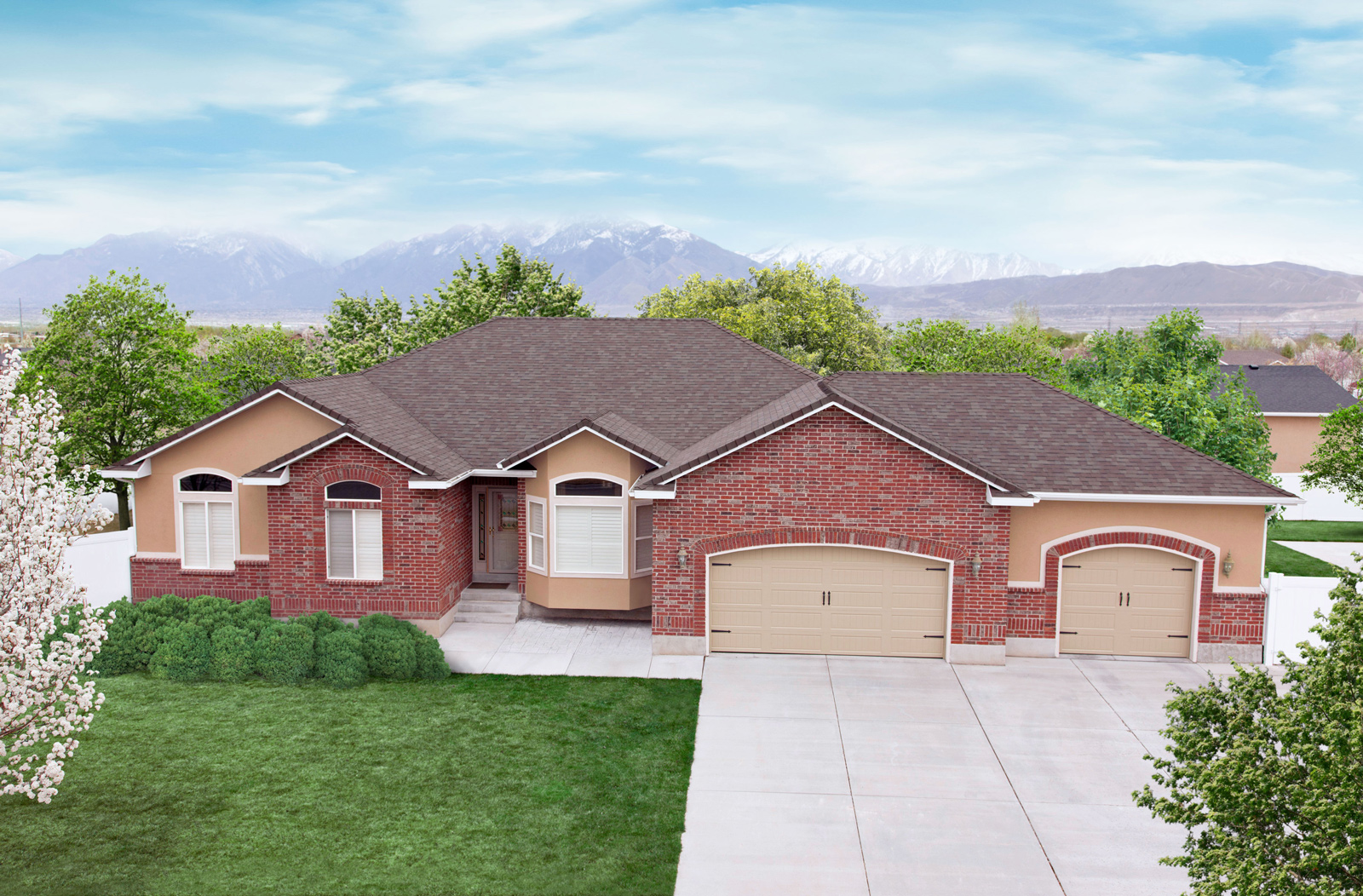
Heather is one of the few asphalt shingles that genuinely commits to a red palette rather than fading toward brown. On a Mediterranean, Spanish revival, or warm-stucco elevation it ties the roof into the rest of the architecture in a way that gray or true brown cannot.
The shingle profile holds enough shadow line that the red tone deepens at sunset rather than washing out. Florida's bright midday light flatters this color especially well.
A natural choice if your house has warm stucco, terracotta, or natural-stone accents you want the roof to tie into. Best avoided on stark white modern builds.
| Type | Asphalt Fiberglass-mat, granule-coated, dimensional architectural shingle |
| Grade | Architectural Laminated profile with dimensional shadow line |
| Warranty | Lifetime Manufacturer limited; transferable terms vary |
| Wind rating | 130 mph ASTM D7158 / D3161 standard |
| Hail / impact | Not rated UL 2218 impact rating not claimed on the manufacturer warranty card. |
| Fire rating | Class A ASTM E108 / UL 790 |
| Weight per square | 230 lbs Standard architectural asphalt |
| Algae resistance | Algae-resistant granules Algae-resistance package included |
| Manufacturer | Malarkey Portland, OR · made in the USA |
We do not yet have full-render combination pages for this color family.
Materials-per-square pulled from retailer scrape (Lowe's/Home Depot Florida zips).
Upload a phone photo of your house and watch our AI swap your existing roof for Malarkey Vista AR Heather in about four seconds. Save the render, share with your contractor, change your mind ten times. Free.
Questions homeowners ask before they commit. Answered without sales spin.
A warm, confident red with visible iron-oxide and brick-toned granule accents. In direct Florida sun it reads as a clear russet; in shade it deepens toward warm brown. Far more committed to red than the typical 'warm brown' SKU in the asphalt category.
Sometimes, depending on the rest of the palette. The color was specified historically to approximate Spanish and Mediterranean tile roofs, and it reads most naturally on those styles. On a traditional craftsman or Tudor it can work with the right warm-tone siding. On a contemporary all-white build it almost always reads as out of period.
Some. Red asphalt shingles use iron-oxide pigments in the granule blend, and reds drift cooler more visibly than grays or browns under prolonged UV exposure. Expect a slight shift toward warm brown over the first 7 to 10 years in Florida sun. The shift is uniform, so the roof still looks coordinated. Source: NRCA Asphalt Shingle Manual.
Slightly. Red asphalt absorbs roughly the same solar heat as a mid-dark gray or brown. In Florida that adds 5 to 10 degrees Fahrenheit to peak-summer attic temperatures versus a light-gray roof. Proper attic ventilation and a radiant barrier reduce monthly cooling impact to under 20 dollars in most homes.
Clay tile costs roughly 4 to 6 times more installed and weighs roughly 6 times more per square. The visual difference at street distance is small enough that most homeowners cannot distinguish the two without close inspection. The asphalt option also installs on a standard roof structure without engineered reinforcement.
Generally yes. Malarkey's algae-resistance package uses copper- or zinc-infused granules that inhibit Gloeocapsa magma, the dark-streak algae endemic to Florida and the Gulf Coast. Reds show the streaks less visibly than grays do even if growth occurs.