

Wind Mitigation Report Florida.
Wind mitigation report Florida: type any Florida address and see the wind mitigation features on record for that roof, the ones that earn insurance credits. Free, no signup.
The lookup shows what the public record holds for the roof: its material, its age and the design wind speed at that address. Credits arrive only after a qualified inspector fills out the state form, OIR-B1-1802, and your insurer has the finished copy.
Steps to a wind mitigation credit.
Your insurer applies wind credits from a completed form, and the groundwork for that form starts with your address.
- 01
Look up the house
Type the address and note the roof material and the design wind speed listed for it.
- 02
Note the build year
The year the house went up tells you which code edition applies, and the code is one of the features the form scores.
- 03
Hire a qualified inspector
The inspector visits and fills out form OIR-B1-1802 for your house.
- 04
Send the form to your insurer
The carrier applies credits from the completed form, never from an online lookup.
Records versus the inspector's form.
An online lookup cannot earn a wind credit on its own, however complete the record looks.
Florida insurers apply the credits from the state form, filled out by a qualified inspector. The lookup shows the paper record for the roof before that visit.
Use it to spot a missing re-roof permit, since carriers tend to count that roof as the same age as the house.
Features the inspector scores.
Form OIR-B1-1802 scores seven features of the house. Most of them involve the roof.
The inspector records each one, and your insurer reads the finished form.
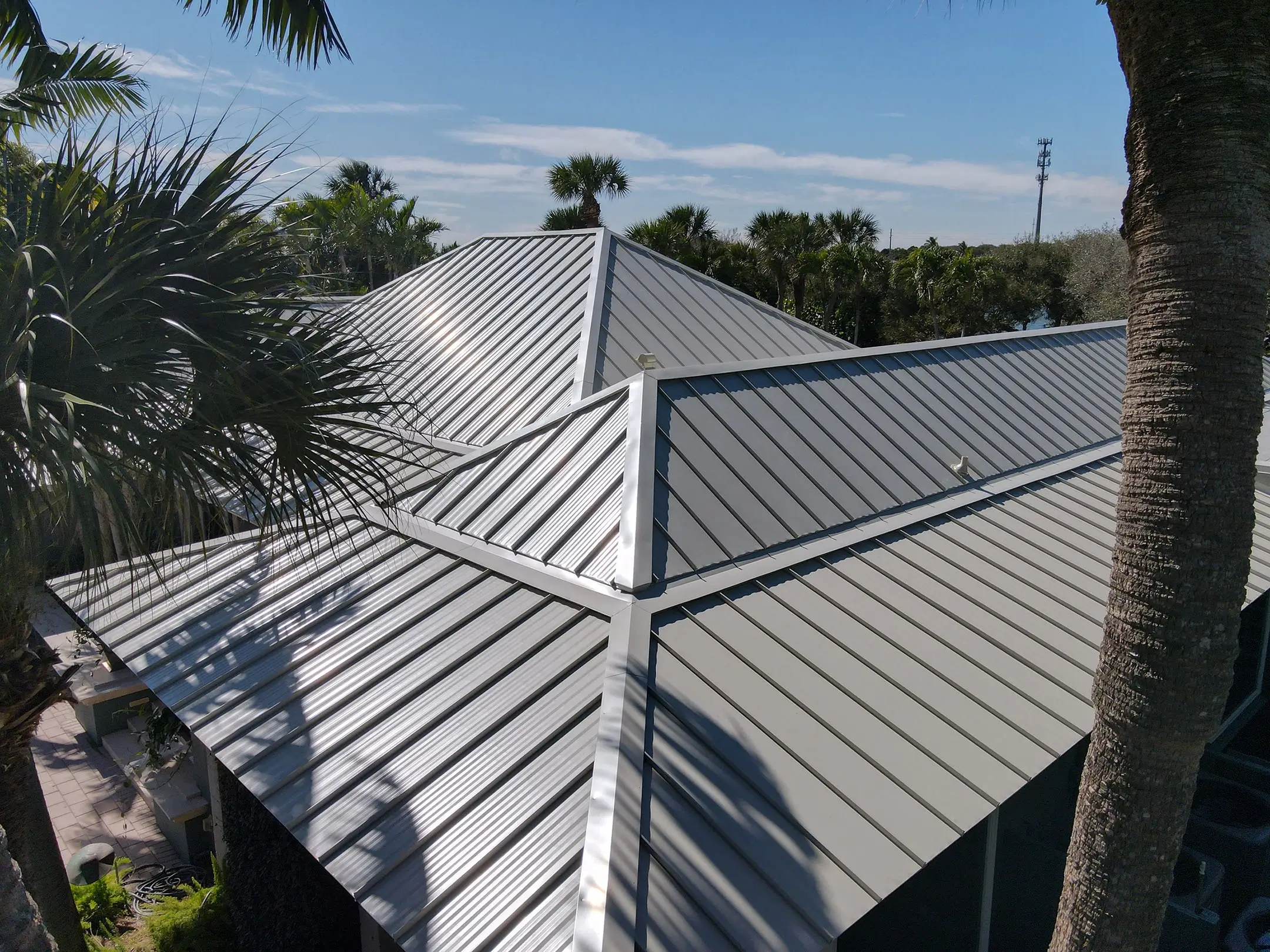
- Roof shape. Hips outscore gables on the geometry line.
- Covering and code. The roof covering and the code edition in force when the house went up both appear on the form.
- Attachments under the covering. Deck fastening, the roof-to-wall connection and secondary water resistance, all hidden under the covering.
- Openings. Opening protection is the seventh feature on the form.
Common questions.
A wind mitigation report in Florida means form OIR-B1-1802, and insurers want it filled out by a qualified inspector before they apply any credit. The free roof report is a public-records check for any Florida address. It lets you walk into the inspection already knowing the roof age, material and wind speed on file.
A house built under the 2002 edition of the Florida Building Code, or any newer edition, usually qualifies. Earlier houses often get there with modest retrofits. Your build year is the first thing to check, and the inspector who fills out the form makes the call on each feature.
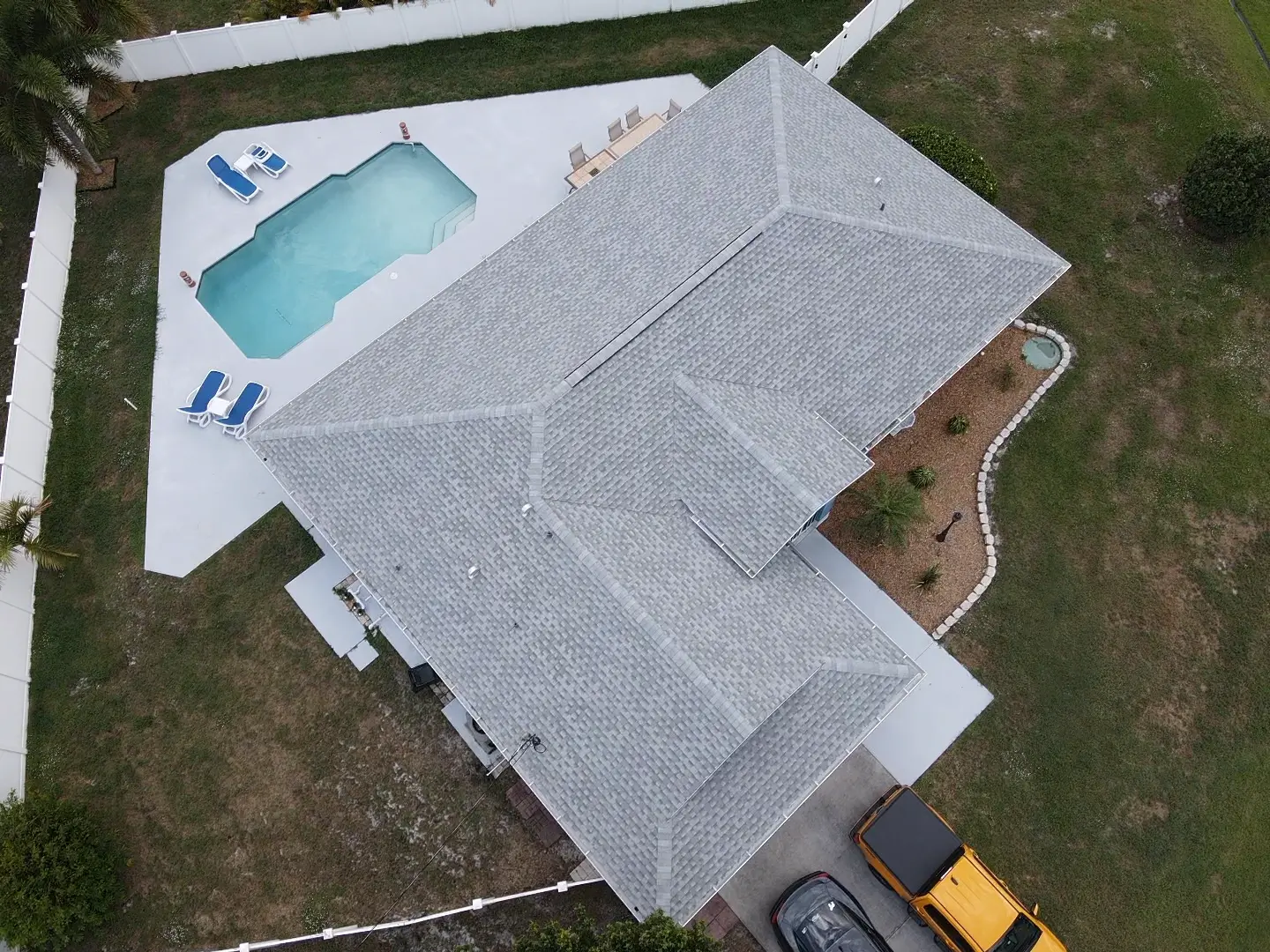
On form OIR-B1-1802, roof geometry has a line of its own, and a hip outscores a gable there. That is one line out of seven. A gable house can still gain through its covering, the way the deck is fastened, the roof-to-wall ties and its opening protection.
They are separate forms: a 4-point report looks at four systems, the roof among them, and most Florida carriers require one on a roof past about 15 years. The wind form scores seven wind-resistance features instead. Only the wind form earns the wind credits on your premium.
Older Florida houses can end up steered to Citizens, or to coverage that leans on wind mitigation. Modest retrofits often bring those houses into range for credits on the state form. When the retrofit touches the roof itself, the estimator sends your quote request on to partner Florida roofers.